.svg)

.svg)
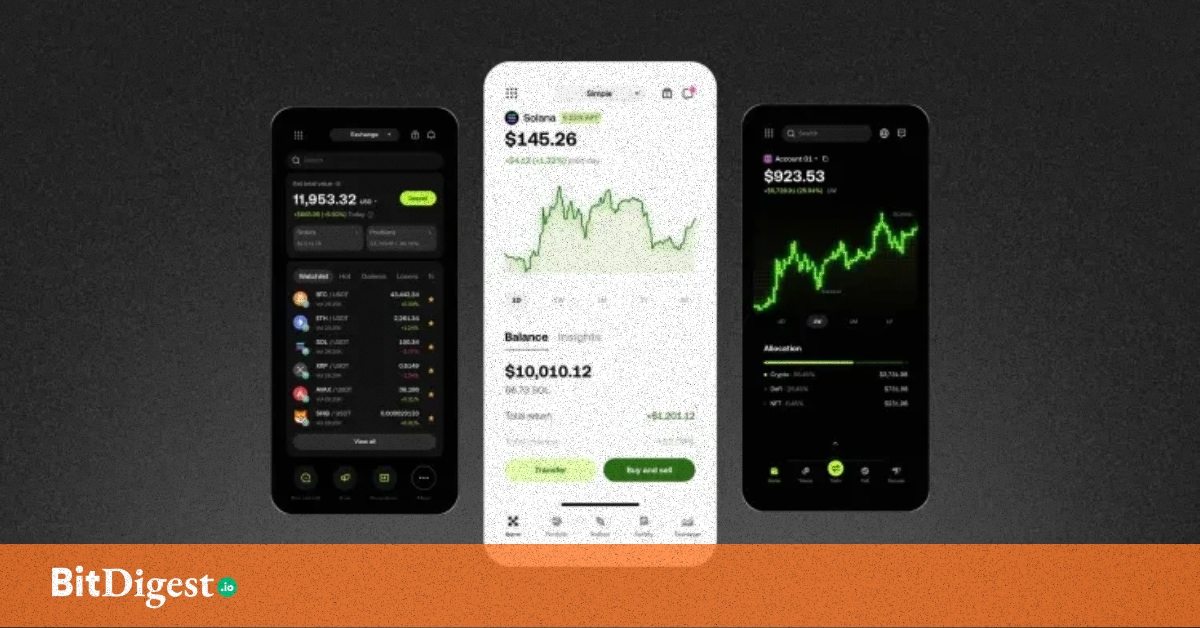
Crypto Platforms Are Collapsing the Lines Between DeFi, TradFi, and 24/7 Trading

Crypto platforms are increasingly merging decentralized finance (DeFi), centralized exchanges (CeFi), and traditional markets into a single, always-on trading environment. What was once a fragmented experience—jumping between wallets, exchanges, and brokerages is now being reimagined as a unified interface where users can access on-chain tokens, centralized liquidity, and even stock-linked derivatives without leaving a single app. One example of this shift is OKX, which has expanded its hybrid model through CeDeFi trading and the introduction of 24/7 equity-linked perpetual contracts.
From Fragmented Tools to a Unified Trading Stack
Historically, accessing different asset classes required entirely separate systems. Traders used centralized exchanges for liquidity, DeFi protocols for early-stage tokens, and traditional brokerages for equities—each with its own onboarding, funding process, and limitations.
That separation is beginning to dissolve. Hybrid models now allow users to interact with decentralized markets while retaining the speed and simplicity of centralized platforms. Instead of bridging assets manually or managing multiple wallets, traders can access on-chain liquidity and execute trades through a familiar interface; often with abstracted complexity such as gas fees and routing handled in the background. This effectively turns exchanges into aggregation layers, where both centralized and decentralized markets coexist.
CeDeFi: Bringing On-Chain Markets Into the App Layer
The rise of CeDeFi—blending centralized infrastructure with decentralized execution—reflects growing demand for access without friction.
In practice, this means users can trade tokens across multiple blockchains, including emerging ecosystems where new assets often originate, while avoiding the operational hurdles typically associated with DeFi. Smart routing systems aggregate liquidity across pools, while integrated wallets allow for self-custody without requiring traditional seed phrase management in many cases.The result is a more accessible version of DeFi, one that prioritizes usability without fully sacrificing control.
Extending Crypto’s 24/7 Model to Traditional Markets
At the same time, exchanges are exporting crypto’s defining feature—continuous trading—into traditional asset exposure. Equity-linked perpetual swaps allow users to gain price exposure to major global stocks and indices without relying on standard market hours. Instead of waiting for exchanges like Nasdaq or NYSE to open, traders can react instantly to earnings, macro events, or geopolitical developments at any time. These instruments are derivatives, not actual shares, but they represent a growing convergence between crypto-native infrastructure and traditional financial markets.
A Shift Toward “Always-On” Financial Access
Taken together, these developments point to a broader trend: financial markets that are no longer bound by geography, time zones, or legacy infrastructure. For users, particularly in regions with limited access to traditional brokerage systems—this creates new entry points into global markets. A single account can now serve as a gateway to DeFi tokens, crypto assets, and equity exposure, all operating within a continuous trading cycle. This model is especially relevant in mobile-first markets, where accessibility and speed often outweigh legacy financial structures.
Convenience vs. Complexity
While the integration of multiple financial layers simplifies access, it also introduces new layers of complexity beneath the surface. Users are now interacting with a mix of on-chain execution, derivative instruments, and leveraged positions—often within a single interface. The abstraction of these mechanics improves usability, but it can also obscure the underlying risks, particularly for less experienced participants.
Leverage, volatility, and smart contract dependencies all remain present, even if they are less visible. Crypto platforms are no longer just exchanges, they are evolving into comprehensive financial ecosystems. By combining DeFi access, centralized liquidity, and traditional market exposure, they are reshaping how users interact with global assets. The direction is clear: fewer boundaries, fewer intermediaries, and a trading experience that is increasingly continuous, integrated, and borderless.
.svg) SHARE TO FACEBOOK
SHARE TO FACEBOOK SHARE TO TWITTER/X
 SHARE TO LINKEDIN
 SEND TO MAIL


.svg)


.svg)