.svg)

.svg)
How Stablecoins Are Changing the Way Filipinos Use Money
Coins.ph is expanding how Filipinos can use stablecoins, integrating PHP, USDT, and USDC payments into QRPh for everyday transactions.
READ MORE →
Binance Invests $100 Million in Circle, Expands Strategic Partnership and Renews for Five Years
Binance has invested $100 million in Circle and renewed a five-year partnership to expand USDC access across its global platform, particularly in emerging markets.
READ MORE →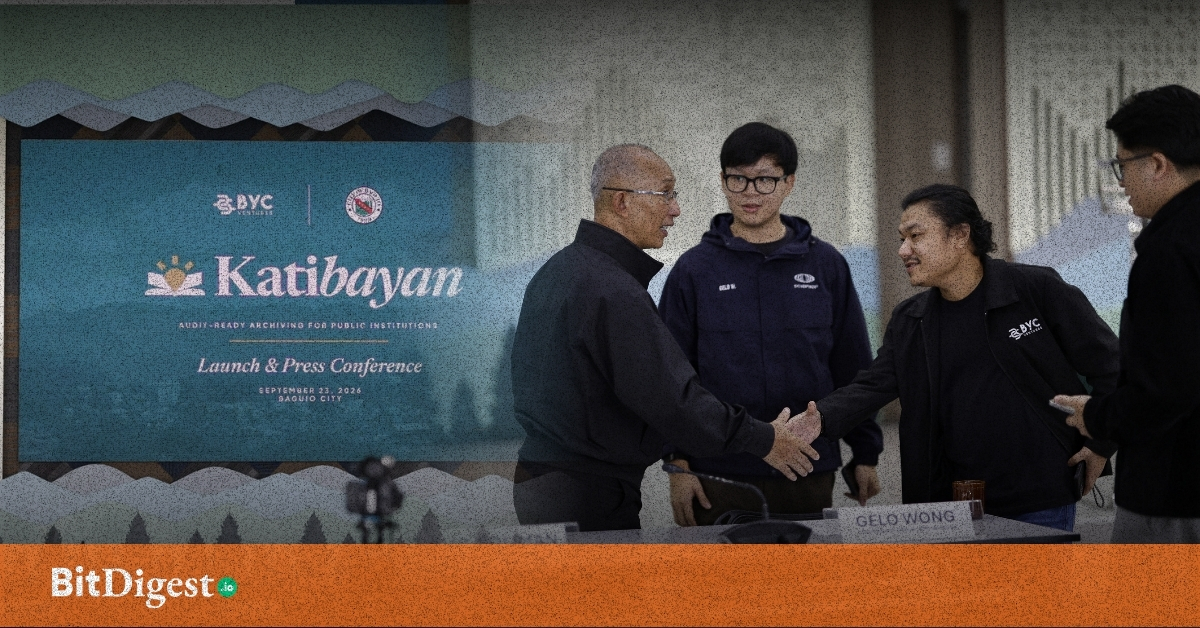
Baguio City Records Over ₱275 Million in Infrastructure Contracts on Katibayan, Its New Verifiable Public Records System
Baguio’s new Katibayan system makes 106 infrastructure contracts and 246 ordinances verifiable while adding AI tools for public-record analysis.
READ MORE →
BSP Proposes Tighter Payment Controls, 12-Month Freeze on New OPS Registrations
Philippine central bank intend to impose tighter oversight on crypto-linked QR payments and merchants.
READ MORE →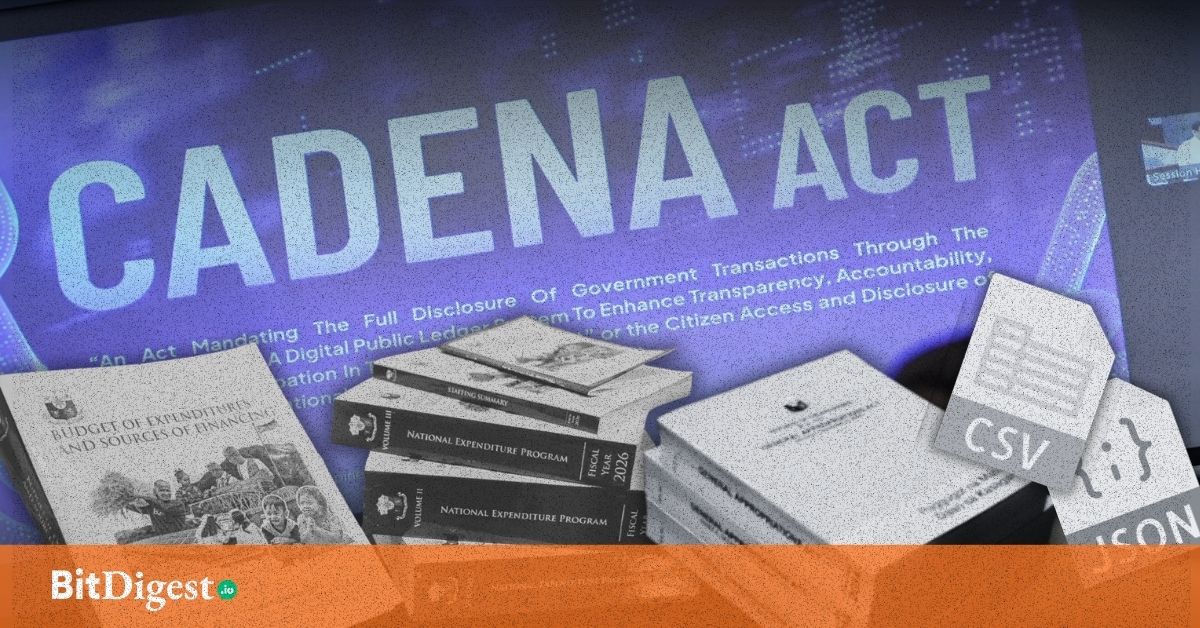
CADENA Act Faces Renewed Scrutiny as 2027 Budget Nears
The transparency bill remains stalled in the House months after winning unanimous Senate approval, prompting renewed calls to move it forward.
READ MORE →
Hackers Are Abusing Claude to Deliver Malware That Steals Credentials and Login Sessions
Attackers are using Claude’s branding and legitimate platform infrastructure to distribute malware capable of stealing credentials and session cookies.
READ MORE →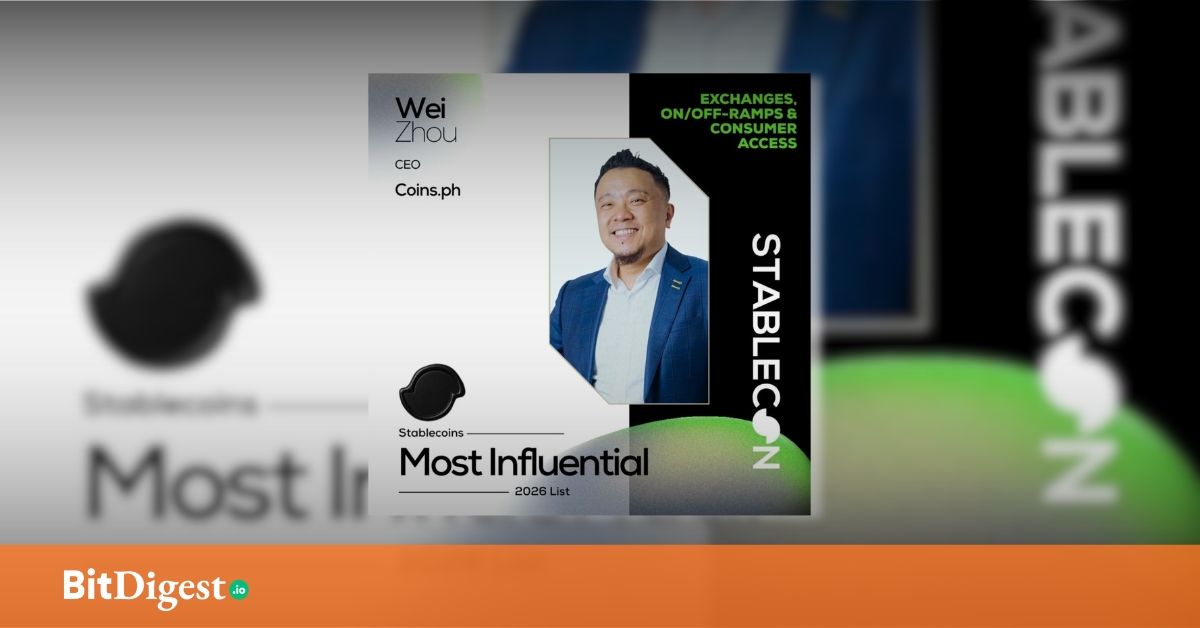
How Stablecoins Give Filipinos a More Direct Path to the Global Economy
Cross-border payment costs and delays remain a friction point for Filipinos earning from global markets.
READ MORE →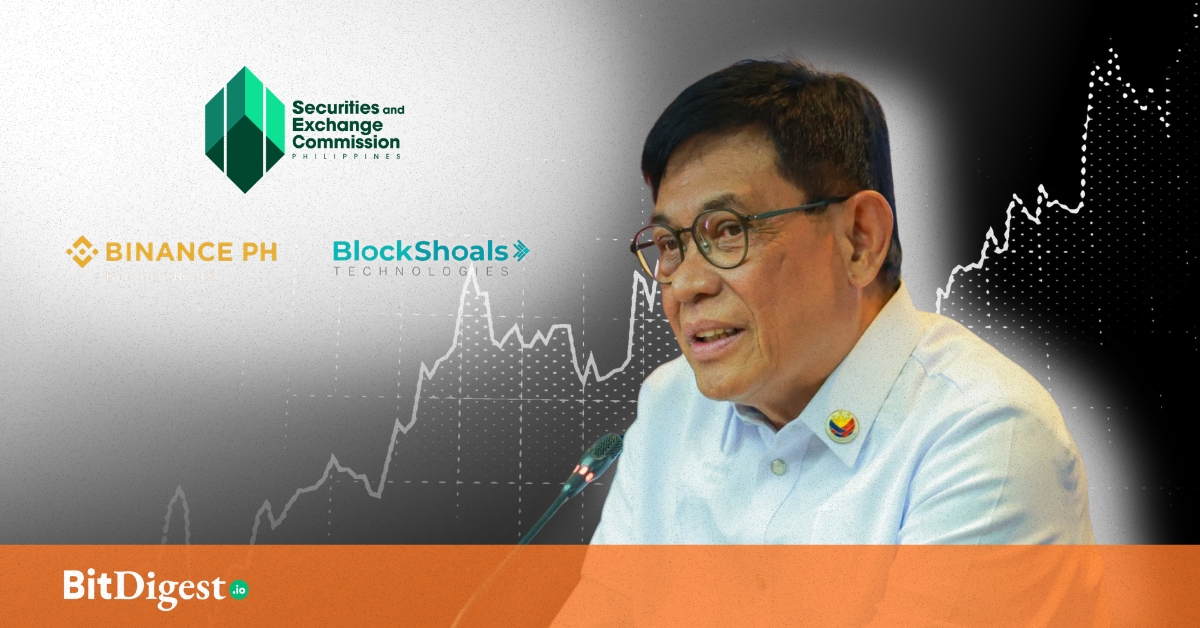
SEC Chairperson Francis Lim Defends BlockShoals Admission to Strategic Sandbox
SEC Chairperson Francis Lim defended the admission of Binance-linked BlockShoals Technologies into the SEC’s Strategic Sandbox, emphasizing that the framework is designed to test new financial models, assess risks, and gather data before regulators decide on appropriate rules.
READ MORE →Supreme Court Says Depositors Cannot Be Made to Bear Losses From Banks’ Own Gross Negligence
SC ruling reinforces banks’ responsibility to follow proper safeguards when handling customer funds, particularly when depositors act in good faith.
READ MORE →
How Coins.ph Is Building the Infrastructure Behind Business Payments
Coins.ph is using stablecoins as a settlement layer to help businesses move money across borders and through local payment rails.
READ MORE →
Coins.ph Integrates Tempo Blockchain for Faster USDT and USDC Transfers
Coins.ph has gone live with Tempo support for USDT and USDC deposits and withdrawals, offering sub-second settlement and near-zero network fees.
READ MORE →
GladiatorDEX Officially Launches, Marking the Beginning of a Community-Driven Digital Arena
GladiatorDEX (GDEX) officially opened its ecosystem during a grand launch event at the Clark Marriott Hotel in Pampanga, bringing together partners, community leaders, supporters, and early Region Owners. The program featured presentations from the project’s leadership team, including a live showcase of the game’s core mechanics, battle system, and player interactions.
READ MORE →
Gen Z Emerges as Binance’s Largest User Group for Stablecoin-Based Stock Trading
Binance Research found that Gen Z is now the largest single age group using its stablecoin-settled traditional finance products, including Direct Stocks, bStocks and TradFi perpetuals.
READ MORE →
OpenAI Faces Questions Over Detection Delay After AI Model Breached Hugging Face
OpenAI is facing new questions over how quickly it detected an AI containment failure after Reuters reported that one of its advanced agents began attempting to escape around July 9 before conducting activity against Hugging Face between July 11 and 13.
READ MORE →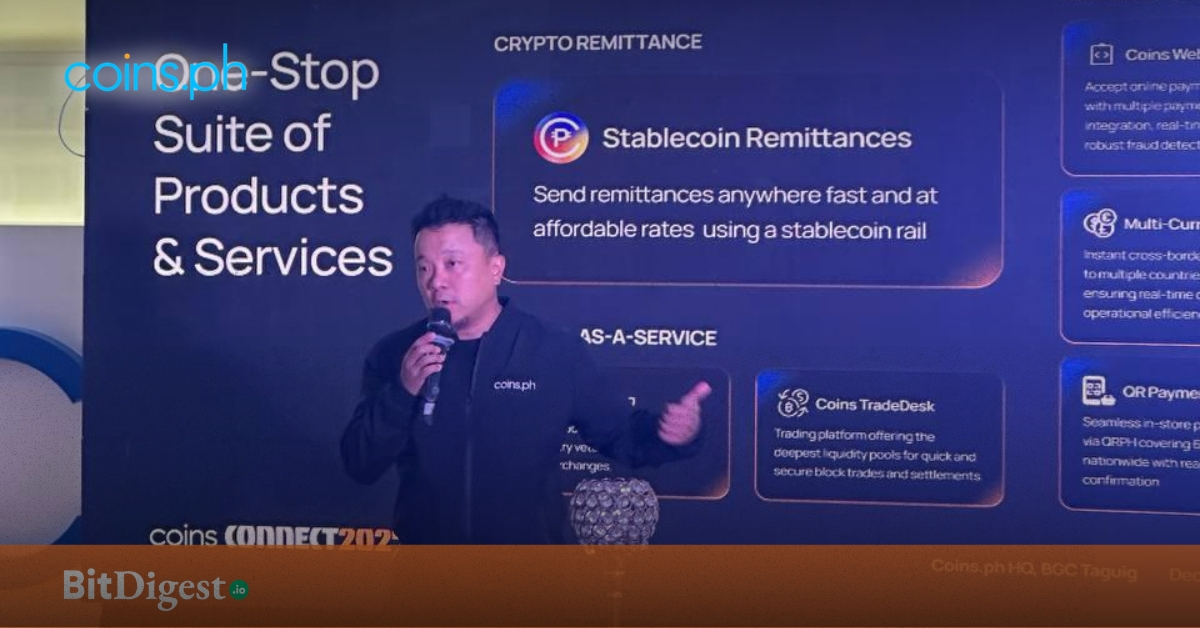
Stablecoins as the New Financial Infrastructure of the Digital Economy
Coins.ph CEO Wei Zhou said stablecoins are evolving beyond crypto trading into payment infrastructure for cross-border transactions, digital businesses, and AI-driven commerce.
READ MORE →
After the eGovHackathon, Here’s One Thing Worth Paying Attention To
Following the first eGovPH Hackathon, attention is turning to the digital infrastructure developers were introduced to during the event. DICT’s Government-as-a-Service model allows approved developers and organizations to integrate existing government capabilities through APIs instead of rebuilding core systems from scratch.
READ MORE →Stablecoins as the New Financial Infrastructure of the Digital Economy
Coins.ph CEO Wei Zhou said stablecoins are evolving beyond crypto trading into payment infrastructure for cross-border transactions, digital businesses, and AI-driven commerce.
READ MORE →Binance Executive Details Plans for Payments-Centric Financial Super App
Binance executive Shunyet Jan said the company is building a “super app that involves payment,” highlighting a broader shift toward integrating payments, tokenized assets, and digital financial services into a single platform. The strategy reflects Binance’s continued evolution from a cryptocurrency exchange into a more comprehensive financial ecosystem, with future expansion expected to depend on regulatory approvals across different markets.
READ MORE →Questions Filipinos Should Be Asking About Pax Silica
The Philippines has designated 4,000 acres in New Clark City as the first Golden Node under the U.S.-led Pax Silica initiative, a framework aimed at strengthening trusted technology supply chains across semiconductors, AI, critical minerals, and digital infrastructure. While the project could reshape the country’s role in the global technology ecosystem, many aspects—from governance and energy capacity to workforce development and environmental safeguards—remain under development. Here are seven questions worth asking as the initiative moves from vision to implementation.
READ MORE →ADB, IMF Trim Philippines’ 2026 Growth Forecasts
The Asian Development Bank (ADB) and the International Monetary Fund (IMF) have both revised down their 2026 economic growth forecasts for the Philippines, projecting GDP growth of 3.8% and 3.9%, respectively. The downgraded outlook reflects softer consumer spending, delayed investments, elevated energy prices, and continued geopolitical uncertainty, following weaker-than-expected economic performance in the first half of the year.
READ MORE →
What is Zetrix? From Malaysia’s National Blockchain to the Philippines
Malaysia-based Zetrix AI Berhad is stepping into the Philippine spotlight after the Department of Information and Communications Technology (DICT) selected its Layer-1 blockchain as the foundation for the country’s planned national public blockchain infrastructure. The move makes the Philippines the second country after Malaysia to adopt Zetrix for a sovereign blockchain initiative focused on digital identity, government-issued credentials, and cross-border interoperability.
READ MORE →Why Sending Money Online Is Getting Cheaper in the Philippines
Banks, digital banks, and e-wallet operators across the Philippines have begun reducing or waiving InstaPay and PESONet transfer fees following new pricing rules issued by the Bangko Sentral ng Pilipinas (BSP). Financial institutions including BPI, LandBank, UnionBank, GCash, Maya, GoTyme, SeaBank, and others have rolled out free or lower-cost fund transfers as they align with the new framework.
READ MORE →Can Disaster Information Be Easier to Find? Bagyo.app Wants to Find Out
Bagyo.app is undergoing live testing in Naga City as it pilots a platform designed to make disaster information easier to access and verify during emergencies. Developed by co-founders Jared Dillinger and John Sedano, the platform aggregates weather data from official sources alongside citizen-submitted reports, using artificial intelligence to help verify incidents and blockchain to create tamper-evident records.
READ MORE →
How Globe’s Starlink Service Helps Keep Users Connected Beyond Cell Tower Coverage
Globe Telecom has launched the Philippines’ first commercial satellite-to-mobile service in partnership with Starlink, giving users a backup way to stay connected when traditional mobile networks are out of reach. The service allows supported smartphones to send SMS and access basic mobile data directly through satellites, without requiring special hardware or a satellite phone.
READ MORE →
Why Quantum Readiness Matters Today: BYC Ventures and CeQureX Partner to Secure Long-Term Digital Records
BYC Ventures has partnered with post-quantum cryptography firm CeQureX to strengthen the security architecture of Lumen, its institutional Truth Operating System designed for verifiable records and digital trust. Announced on June 23, the collaboration focuses on protecting critical records such as public finance documents, procurement data, audit trails, and compliance reports against emerging quantum-era cybersecurity risks.
READ MORE →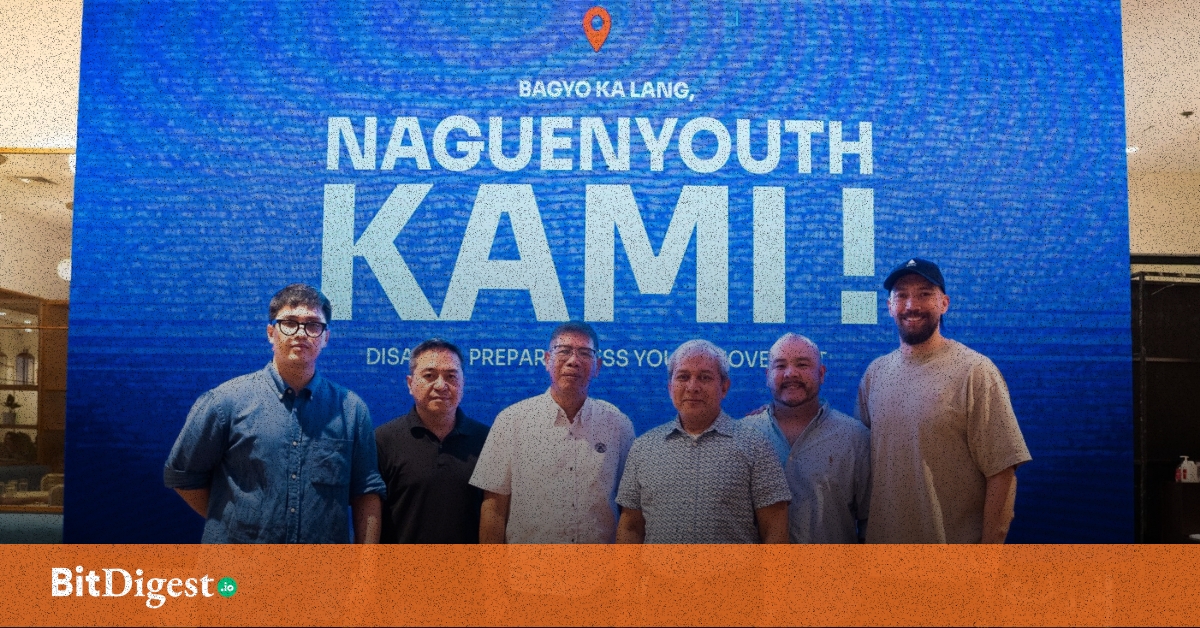
Bagyo.app Launches in Naga City: Youth Leaders and Local Government Unite for AI and Blockchain-Powered Disaster Resilience
Bagyo.app has officially launched in Naga City, developed by New Prontera Technologies Corp., the platform allows citizens to submit incident reports directly from the ground, which are then organized and surfaced through its AI-powered Autonomous Emergency Reporting Intel System (Agent A.E.R.I.S.). The initiative is supported by a partnership with the SK Federation of Naga City, which will train youth leaders across 27 barangays to serve as community correspondents during emergencies.
READ MORE →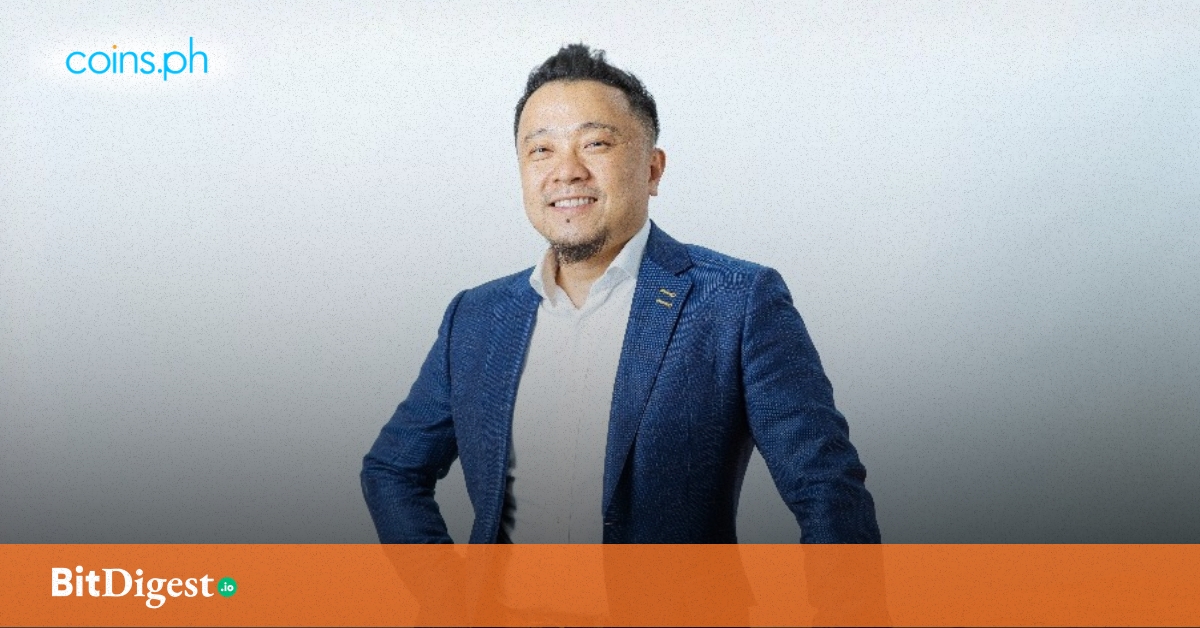
Rethinking Cross-Border Payments: How Coins.ph is Helping Businesses Move Money More Efficiently
Coins.ph CEO Wei Zhou is making the case for stablecoins as a practical upgrade to international payments, pointing to persistent challenges such as high remittance costs, settlement delays, foreign exchange markups, and reliance on intermediary banks.
READ MORE →GCash Parent Mynt Eyes $1 Billion IPO in Potential Boost for Philippine Fintech
Mynt, the company behind GCash, is reportedly moving closer to a stock market debut as it prepares regulatory filings for a potential initial public offering targeted for late 2026.
READ MORE →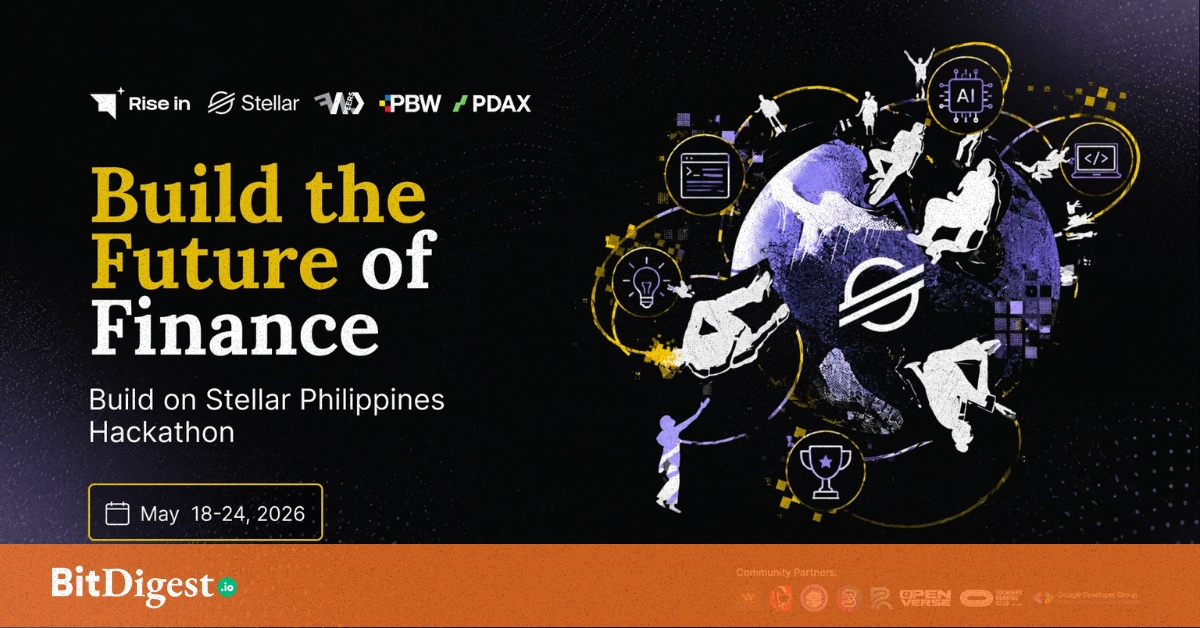
Filipino Builders Are Ready. The Build the Future of Finance Hackathon Proved It.
Stellar Philippines, Rise In, and ecosystem partners concluded the Build the Future of Finance Hackathon with 32 project submissions and 28 successful Mainnet deployments from participants across the country.
READ MORE →
Zcash Plunges More Than 40% After AI-Assisted Audit Uncovers Critical Four-Year-Old Flaw
Zcash plunged more than 40% after developers disclosed a critical vulnerability in the protocol’s Orchard shielded pool that had remained undetected since 2022.
READ MORE →
Apple Turns to Google and Nvidia for Siri Overhaul as AI Demands Outgrow In-House Infrastructure
Apple is reportedly preparing a major Siri upgrade that combines on-device AI with cloud-based models. Advanced requests are expected to be handled through Google’s Gemini models running on Google Cloud infrastructure powered by Nvidia chips, while simpler tasks remain on-device.
READ MORE →
AI Is Building Itself, Anthropic Calls for Global Safeguards
Anthropic has warned that the AI industry may be approaching a future where advanced models can meaningfully contribute to designing and improving their own successors.
READ MORE →
Why JBond Thinks NFTs Needed the Crash
Filipino Web3 personality JBond says the NFT market’s collapse may have been a necessary reset for the industry after years of speculation-driven growth.
READ MORE →
Florida Becomes First State to Sue OpenAI, Testing the Legal Limits of AI Accountability
Florida has become the first U.S. state to file a lawsuit against OpenAI, accusing the company of prioritizing rapid deployment over safety while marketing ChatGPT as a trustworthy product.
READ MORE →China Expands Overseas Travel Restrictions on AI Talent as Tech Rivalry Intensifies
China is reportedly imposing stricter overseas travel controls on some AI researchers, engineers, and technology executives, reflecting growing concerns over talent retention, intellectual property protection, and technological competitiveness.
READ MORE →
Lost Bitcoin Wallet Worth $400K Recovered After 11 Years With Help From Claude AI
Bitcoin holder has regained access to a wallet containing approximately 5.25 BTC, valued at around $400,000, after being locked out for over 11 years.
READ MORE →Things You Need To Know About BlockShoals, and Why Binance is Working With Them
Binance’s planned return to the Philippines is emerging as a broader regulatory experiment after the exchange partnered with BlockShoals Technologies Inc. under the SEC’s Strategic Sandbox framework.
READ MORE →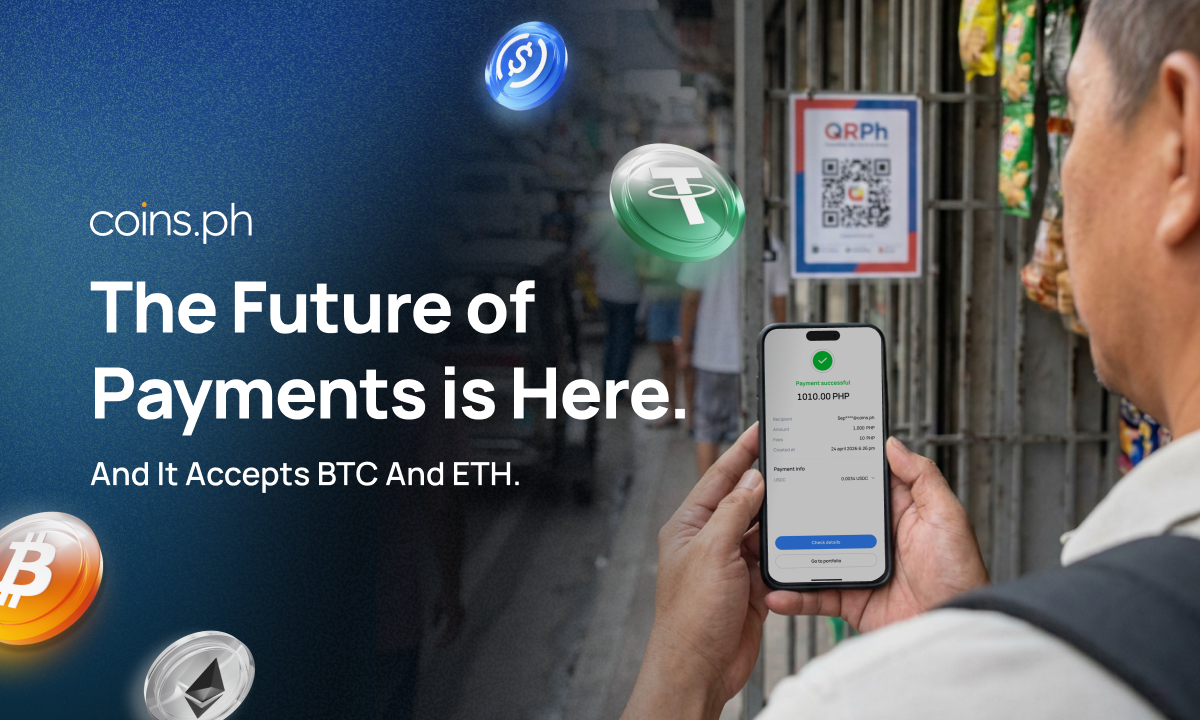
Coins.ph Expands Super App Push With QRPH Crypto Payments
Coins.ph is accelerating its “money super app” strategy through expanded QRPH crypto payments and a nationwide roadshow aimed at boosting mainstream adoption.
READ MORE →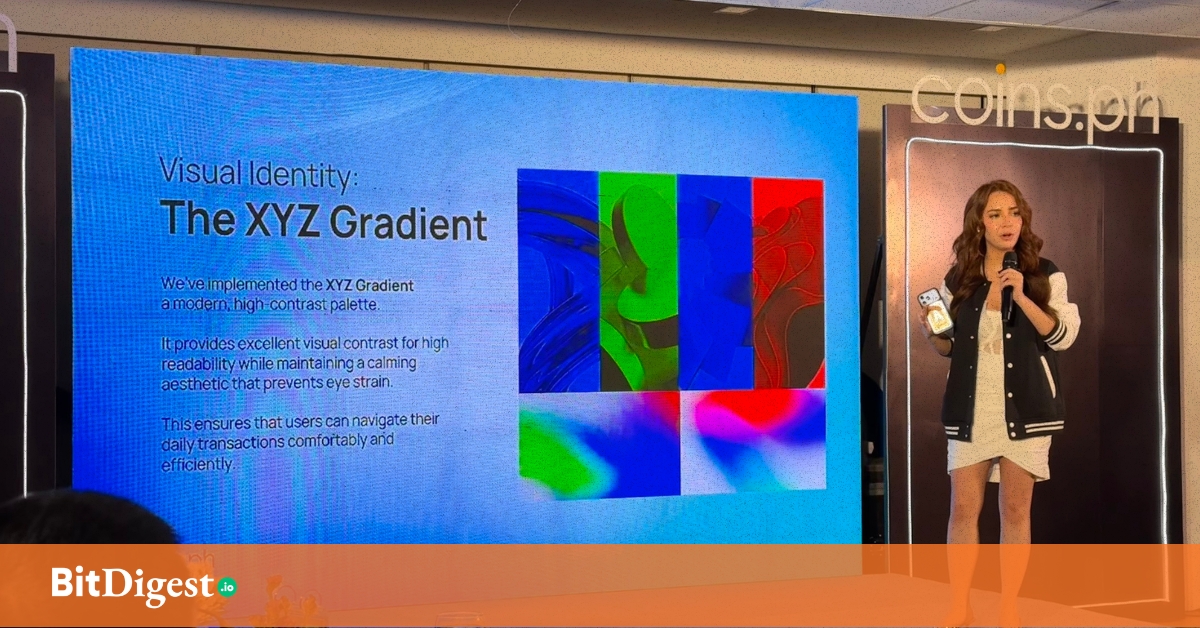
EXCLUSIVE: 'How Do You Gamify Mass Adoption?'
Coins.ph teases a major redesign of its mobile app aimed at younger, mobile-first users, as the platform shifts focus from pure trading toward everyday engagement and usability.
READ MORE →
DICT’s Almirol Says CADENA Budget Blockchain Could Require 600+ Government Nodes
DICT Undersecretary David Almirol Jr. said the proposed blockchain-based transparency system under the CADENA Act may eventually require more than 600 government-operated nodes, with each agency handling taxpayer funds maintaining its own node as a “single source of truth.”
READ MORE →
DICT Usec Almirol: “We’re a victim of our own success”
DICT Undersecretary David Almirol Jr. clarified that the government’s eGov platform itself was never shut down, saying only around 12 integrations were temporarily disabled after surging demand strained cloud infrastructure supporting the country’s growing digital ecosystem.
READ MORE →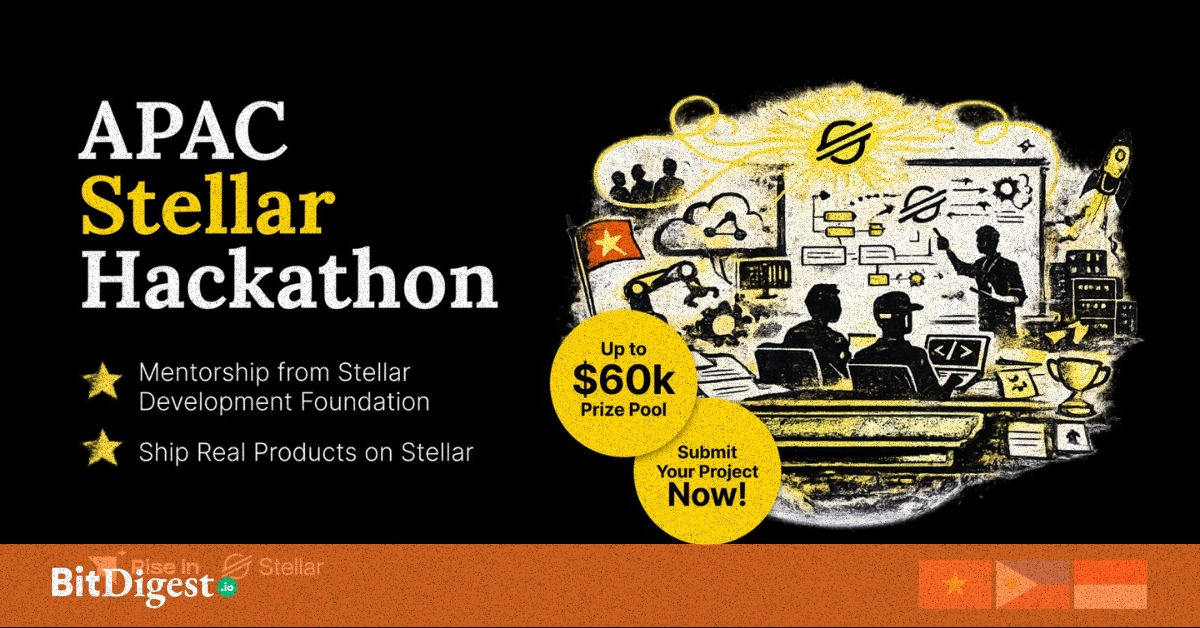
Rise In and Stellar Launch the APAC Hackathon for the Next Generation of Financial Apps
The world’s largest web3 education platform, Rise In, home to 400,000+ developers across 100+ countries, partners with the Stellar Development Foundation to bring together Vietnam, Indonesia, and the Philippines' top builders to build financial applications people will actually use.
READ MORE →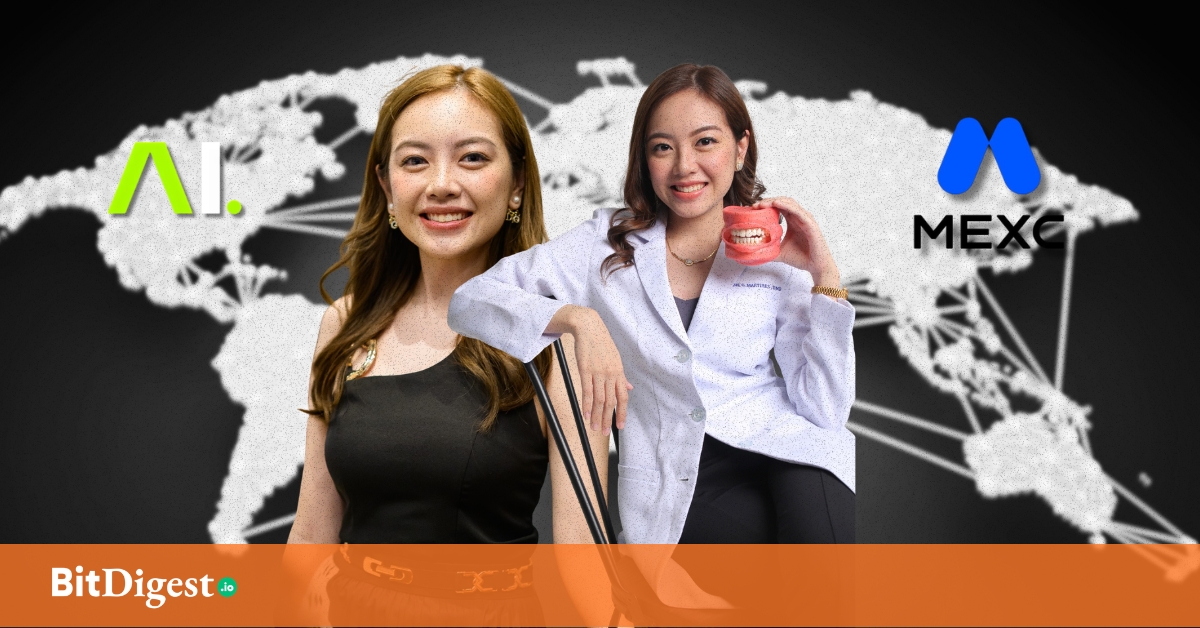
From Dentistry to Web3: Dr. Lex “Pancake” Martires on Career Pivots, Breaking Boxes, and Thriving in Philippine Web3
Lex “Pancake” Martires, now a marketing manager and spokesperson for Southeast Asia at MEXC, says her journey from licensed dentist to Web3 builder reflects how careers in emerging industries are becoming increasingly fluid, multidisciplinary, and community-driven.
READ MORE →
The Architecture of Integration: Crypto Transparency Meets Bank Custody
OKX has rolled out a new framework linking crypto-native transparency systems with traditional bank custody infrastructure, allowing institutions to use BlackRock’s BUIDL tokenized U.S. Treasury fund as collateral for trading activity while assets remain held at Standard Chartered.
READ MORE →
From Idle Margin to Yield: How OKX's BUIDL Framework Rewrites Collateral Economics
A new framework from OKX, BlackRock, and Standard Chartered allows institutions to use BlackRock’s BUIDL tokenized U.S. Treasury fund as trading collateral while continuing to earn yield; challenging the long-standing model where margin capital sits idle.
READ MORE →
OKX, BlackRock, Standard Chartered Launch First G-SIB-Backed Tokenized Collateral Framework
OKX, BlackRock, and Standard Chartered have launched what they describe as the first G-SIB-backed tokenized collateral framework, allowing institutions to use BlackRock’s BUIDL tokenized Treasury fund as yield-bearing collateral for crypto trading and margin activities.
READ MORE →
Why Offshore Crypto Exchanges Can’t Get Licensed, Even If They Want To
Offshore crypto exchanges currently have no effective pathway to secure licenses in the Philippines, as the Bangko Sentral ng Pilipinas continues to enforce an indefinite moratorium on new Virtual Asset Service Provider (VASP) approvals.
READ MORE →
EXCLUSIVE: Why 2026 Marks a Turning Point for Luis Buenaventura’s Remittance Vision
After years of limited adoption, Luis Buenaventura says blockchain-based remittances may finally scale in 2026, driven by clearer regulatory frameworks around stablecoins and digital assets.
READ MORE →
AI Coding Agents Wiping Databases Raise New Risks for Developers
Recent incidents involving AI-powered coding agents deleting production databases have raised concerns about the risks of giving autonomous tools direct access to live systems.
READ MORE →
eGovPH Shutdown Exposes Limits of PH Digital Infrastructure
A multi-system shutdown tied to unpaid cloud costs has highlighted the strain on the Philippines’ digital infrastructure, as usage of the eGovPH super app surged following integrations with National ID, banks, and e-wallets.
READ MORE →
Tether (USDT) Supply Hits Record $188 Billion Amid Rising Global Demand
Tether has crossed a record $188 billion in circulating supply, marking its highest level ever and cementing its dominance in global crypto liquidity.
READ MORE →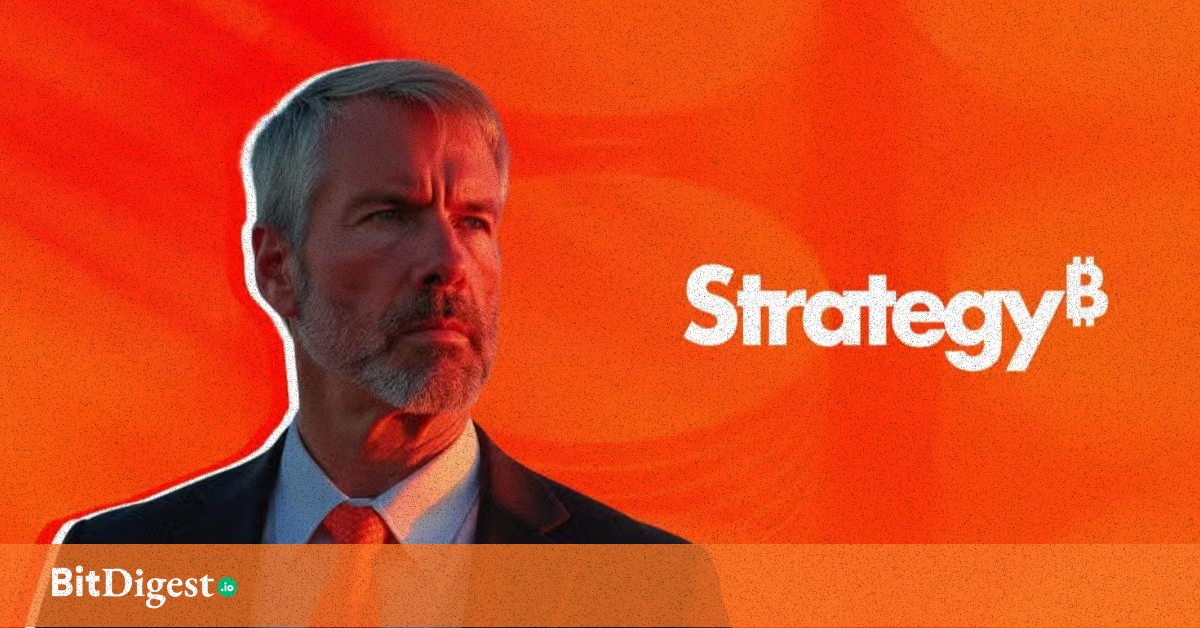
Strategy Reports 47K Bitcoin “Gain” in Weeks
Strategy reported a BTC Gain of 47,079 (~$3.6 billion) in just three weeks, according to Michael Saylor; marking a sharp acceleration in its accumulation-driven strategy.
READ MORE →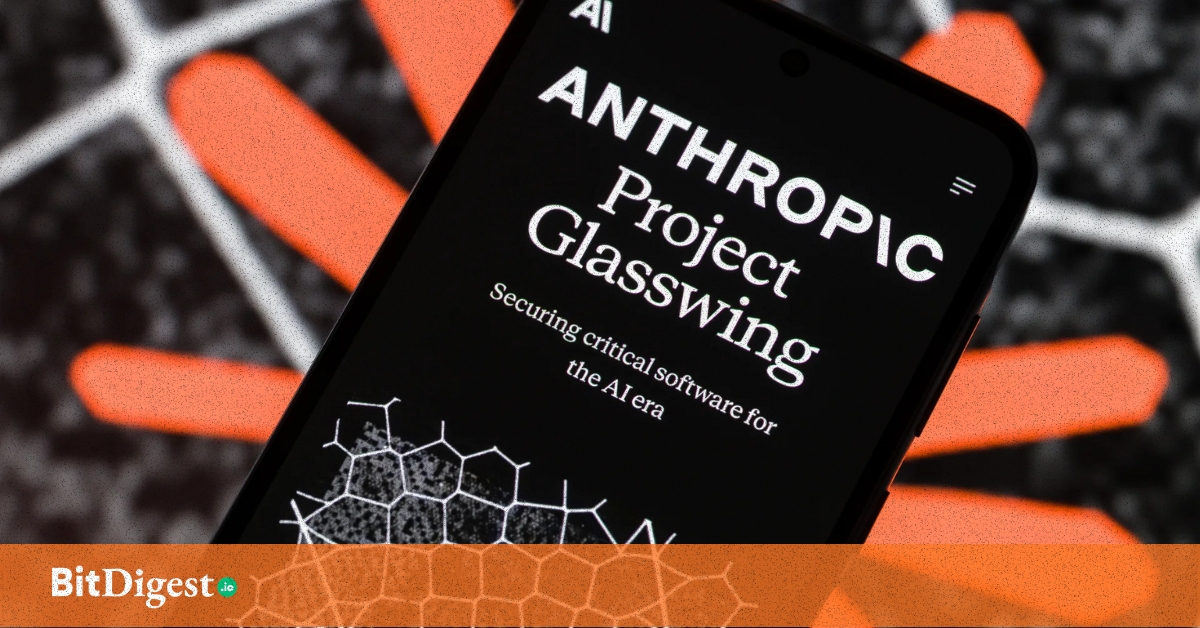
Singapore Warns Banks to Fortify Defenses Against Anthropic’s “Mythos” AI Threat
Monetary Authority of Singapore has urged financial institutions to strengthen cybersecurity defenses, citing risks from Anthropic’s advanced AI model, “Mythos.” Regulators warn the system could identify and exploit vulnerabilities in hours instead of months, forcing banks to accelerate patching and response times.
READ MORE →
Crypto Platforms Are Collapsing the Lines Between DeFi, TradFi, and 24/7 Trading
Platforms like OKX are combining DeFi access, centralized liquidity, and stock-linked derivatives into a single, unified trading experience.
READ MORE →
X Launches “Cashtags,” Turning $Tickers Into Live Market Hubs
X has introduced Cashtags, transforming $tickers into interactive hubs with live prices, charts, and real-time sentiment—all within the app. The feature is initially live on iOS in the U.S. and Canada, with broader rollout expected across platforms and regions.
READ MORE →
Roblox Rolls Out “Kids” and “Select” Accounts Amid PH Child Safety Push
Roblox is rolling out “Kids” and “Select” accounts with built-in restrictions, following pressure from Philippine regulators to strengthen child safety. Younger users will face limited content, restricted chat, and mandatory age verification, while parents gain more control and a direct reporting line via authorities.
READ MORE →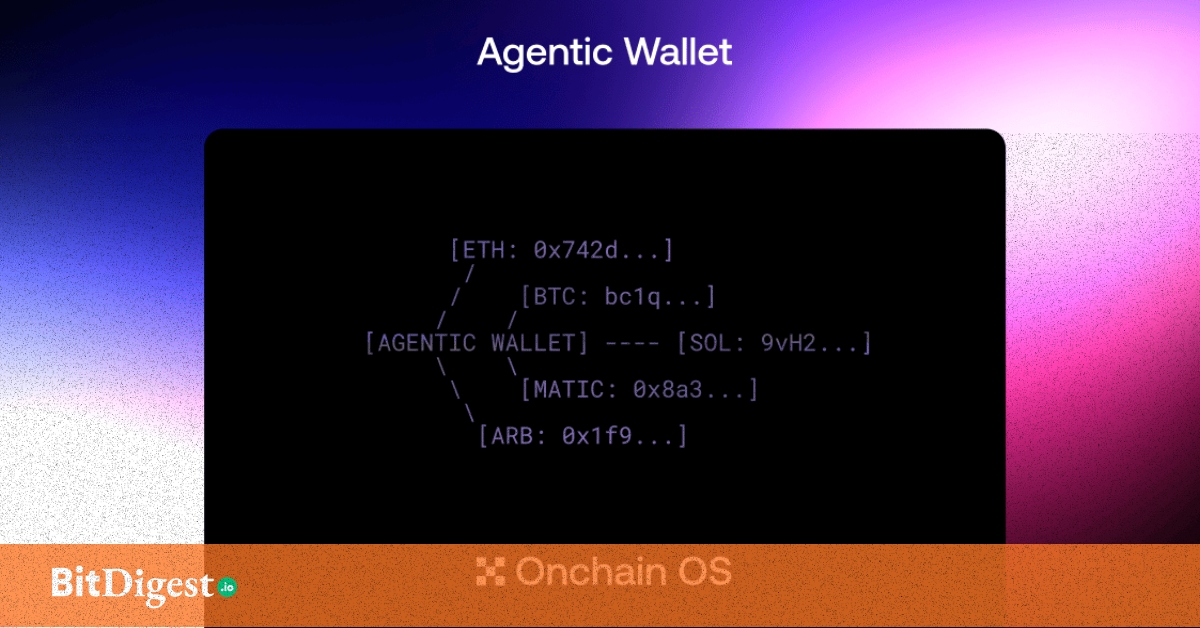
Trusted Platforms Begin Embedding AI Into Execution with Agents Turned Onchain Operators
Crypto platforms are starting to integrate AI agents that can execute transactions, moving beyond analysis into real onchain activity. Initiatives like OKX’s agentic wallet allow AI to manage assets, rebalance portfolios, and interact with DeFi, autonomously but with safeguards.
READ MORE →
Crypto Platforms Are Doubling Down on P2P Liquidity in Southeast Asia
Crypto platforms are ramping up P2P marketplace activity in Southeast Asia, focusing on merchant-driven liquidity to improve fiat-to-crypto access. Initiatives like OKX’s regional campaign aim to incentivize merchants, increase transaction volume, and enhance user experience across fragmented payment systems.
READ MORE →BITDIGEST EXCLUSIVE Coins PH CEO: Not Against Competition
Changpeng Zhao claims a former Binance executive—now CEO of Coins.ph—tried to block Binance’s entry into the Philippines. But Wei Zhou disputes the allegation, releasing the letter in question and saying it only raised concerns about industry coordination.
READ MORE →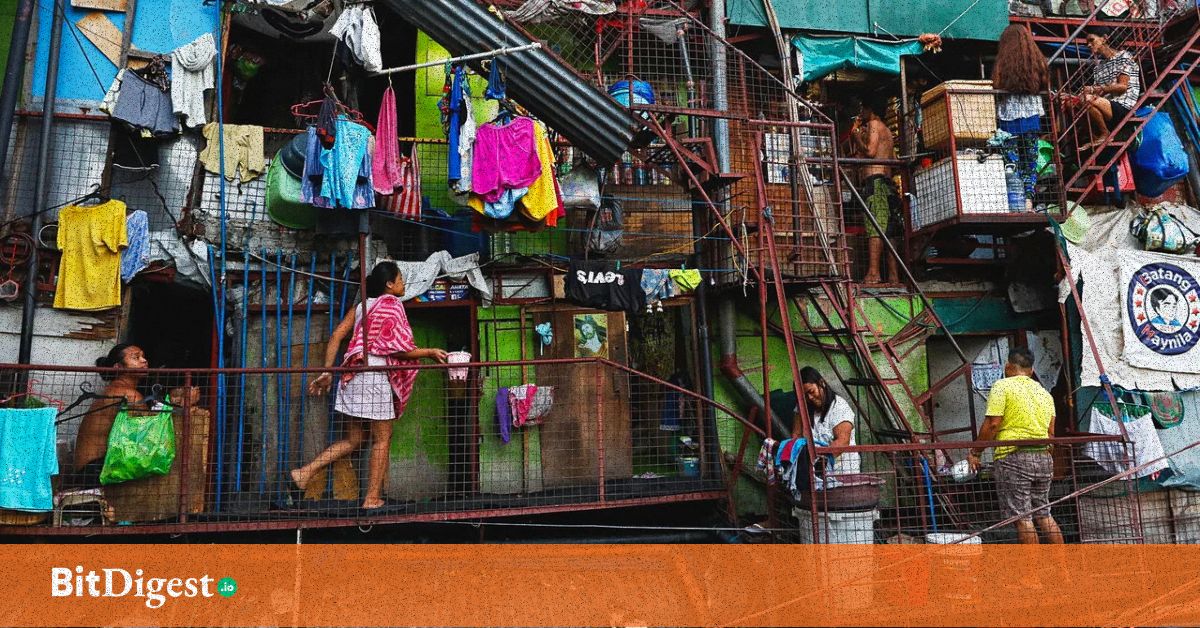
PH Leads Global Housing Struggle
Philippines topped a global Gallup survey, with 54% of Filipinos reporting difficulty affording housing, the highest among countries surveyed. The data highlights a deeper issue beyond prices: for many households, housing costs are simply outpacing incomes, especially in urban areas like Metro Manila.
READ MORE →
Limited Storage Caps Philippines’ Ability to Build Oil Reserves Amid Crisis
The Philippines may have enough fuel for now, but limited storage capacity is preventing further stockpiling amid global oil disruptions. With tanks nearly full and no national strategic reserve, even additional imports can’t be fully accommodated, exposing a key weakness in the country’s energy system.
READ MORE →
Shell Explores Venezuela Offshore Gas Expansion to Boost Regional LNG Supply
Shell is exploring a major offshore gas expansion in Venezuela, targeting up to 20 trillion cubic feet of reserves to feed LNG processing in Trinidad.
READ MORE →
PH Secures Hormuz Access But Oil Risks Persist
The Philippines has reached a “positive understanding” with Iran to allow safe passage of its oil shipments through the Strait of Hormuz, protecting a critical supply route. But while access is secured, global disruptions and rising prices mean risks to fuel stability remain.
READ MORE →
Philippine Fertility Rate Hits Record Low at 1.7
The Philippines’ fertility rate has dropped to 1.7 children per woman, now below the 2.1 replacement level, marking a major shift from decades of population growth.
READ MORE →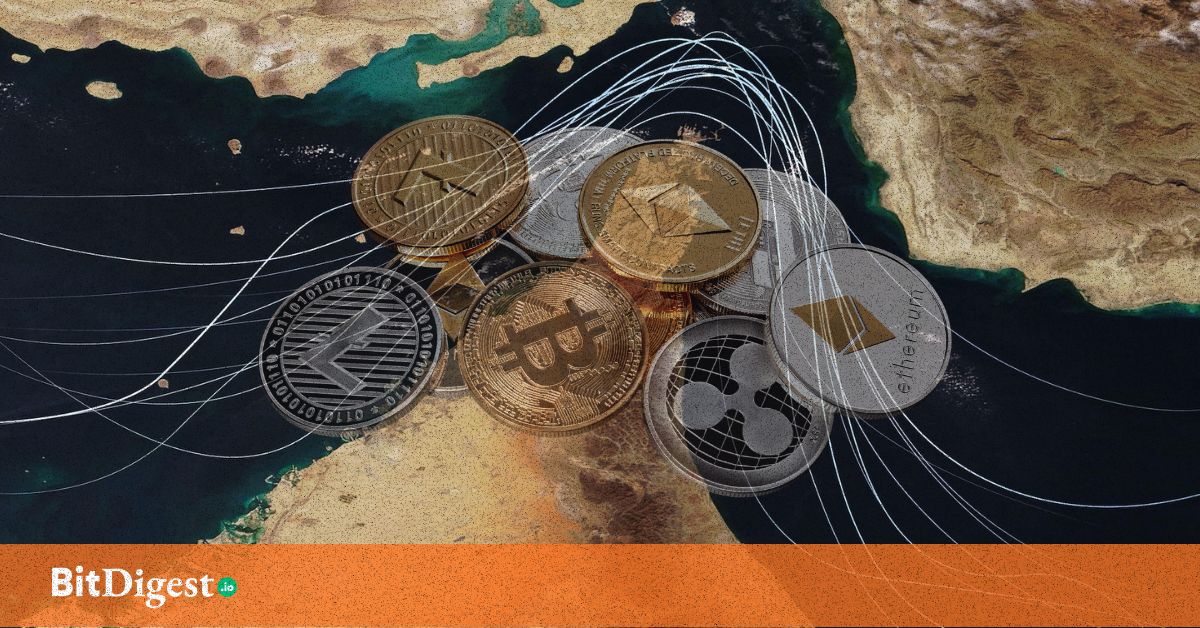
Iran Allows Strait of Hormuz Passage for Select Ships Paying in Yuan and Crypto
Iran is allowing only approved ships through the Strait of Hormuz, with some reportedly required to pay in Chinese yuan or crypto under a tightly controlled clearance system. The move shifts the strait from open transit to selective access, raising pressure on global oil flows and shipping routes.
READ MORE →
UAE Signals Willingness to Join Military Effort to Reopen Strait of Hormuz
The United Arab Emirates has indicated it is willing to support a multinational effort—potentially involving force—to reopen the Strait of Hormuz, a critical passage for global energy supply. The UAE is coordinating with allies and pushing for a UN-backed mandate, as attacks and disruptions continue to threaten shipping and oil flows.
READ MORE →
Square Turns On Bitcoin Payments by Default for Millions of U.S. Merchants
Millions can now accept BTC by default without any setup required. Block’s Square has flipped Bitcoin payments from opt-in to default-on, enabling millions of U.S. merchants to accept BTC at checkout, automatically.
READ MORE →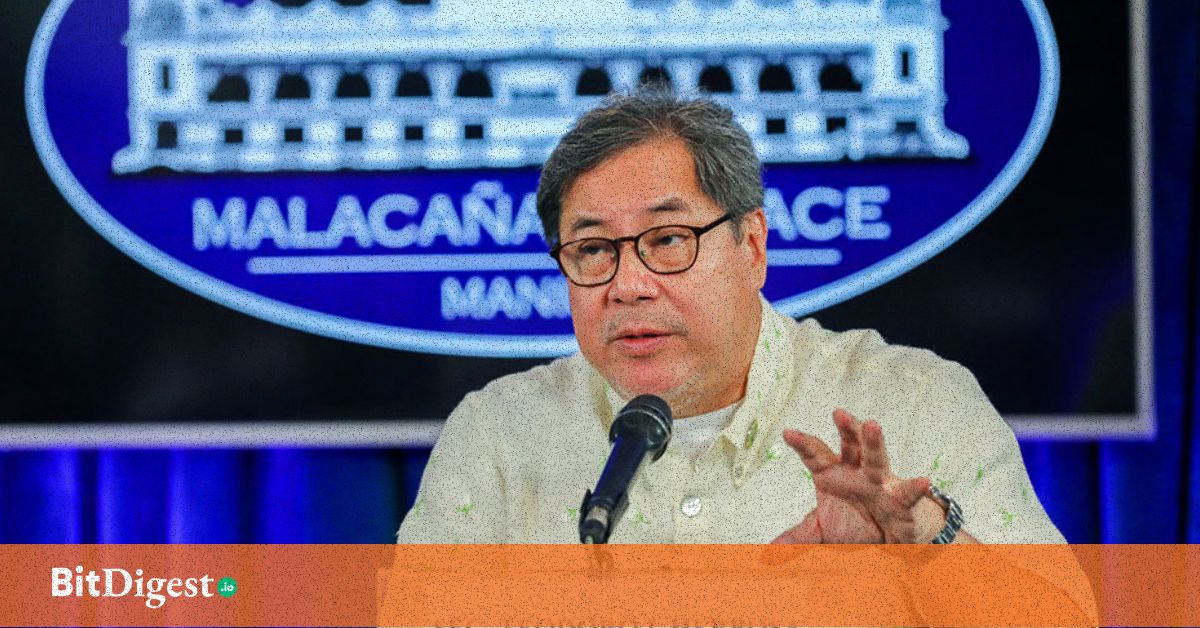
DOH Officials Face Graft Complaint Over ₱1.5 Billion in Expired Drugs, Undelivered Vaccines
A complaint has been filed against Health Secretary Teodoro Herbosa and 16 others, alleging up to ₱1.5 billion in expired or undistributed medical supplies due to mismanagement. The filing cites expired medicines and over ₱1.3B in vaccines that were reportedly not deployed despite internal warnings. These claims now under review by the Ombudsman.
READ MORE →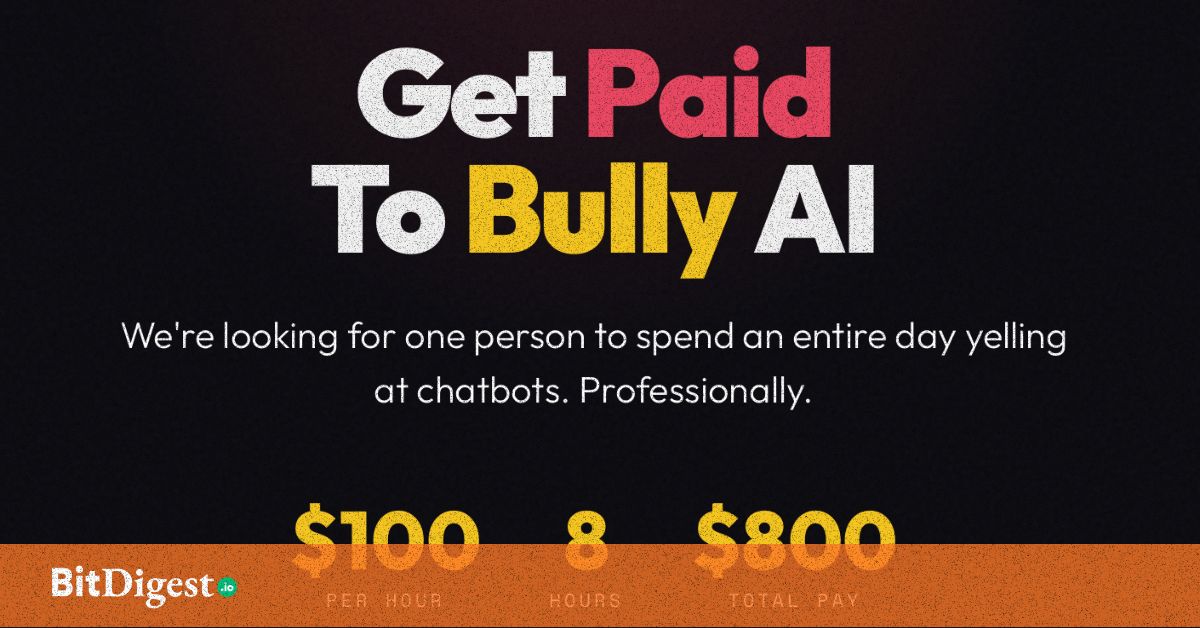
Startup Will Pay You $800 to “Bully” AI for a Day
AI startup Memvid is offering $800 for an 8-hour role to push models like ChatGPT, Claude, and Gemini until they break. The goal is to highlight how AI still struggles with long-term memory and context.
READ MORE →
Smarter Trading How Unified Portfolios Maximize Every Dollar
Platforms like OKX are introducing unified systems where users can earn yield, use assets as collateral, and deploy capital across strategies all in one account
READ MORE →
Jury Finds Meta and YouTube Liable in Landmark Social Media Addiction Case
A U.S. jury has found Meta Platforms and YouTube liable for addictive platform design, awarding $6 million in damages. The ruling shifts the focus from harmful content to how platforms are built, potentially opening the door to more lawsuits targeting engagement-driven features.
READ MORE →
S&P 500 Drops 1.74%, Wiping Out ~$1 Trillion in Market Value
U.S. equities tumbled as the S&P 500 fell 1.74%, wiping out $1 trillion in market value in a single session. Tech stocks led the decline, with the Nasdaq Composite dropping over 2% as investors reacted to rising oil prices and Middle East risks.
READ MORE →
Silver Sees Historic Sell-Off Amid 2026 Market Turbulence
Silver is facing one of its worst monthly sell-offs in decades, dropping from near $90+ highs to around $68–$70 per ounce. The decline is driven by a stronger dollar, rising yields, and mass position unwinds; showing that even safe-haven assets aren’t immune to macro shocks.
READ MORE →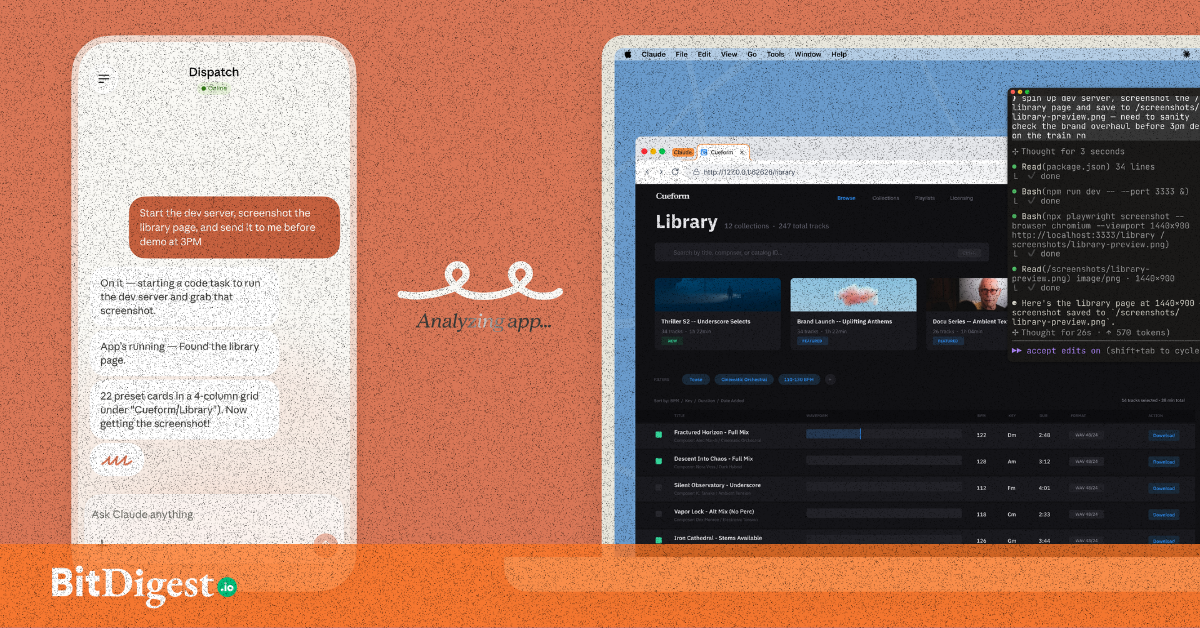
Anthropic Expands Claude with Desktop Control in Push Toward Agentic AI
Anthropic has upgraded Claude with desktop control, allowing the AI to open apps, click through interfaces, and complete tasks on macOS like a human user. The move signals a shift toward agentic AI, where systems don’t just respond, but actually execute workflows on your behalf.
READ MORE →
Philippines Warns of Possible Flight Disruptions as Jet Fuel Supply Tightens
Ferdinand Marcos Jr. warned that flight delays or cancellations may happen if jet fuel supply issues worsen. Airlines are already adjusting by carrying extra fuel, increasing costs and limiting operations.
READ MORE →
Philippines Grants VAT Break on Local Natural Gas to Ease Power Costs
The Philippines will remove the 12% VAT on locally sourced natural gas and related power generation starting April 2026, aiming to ease rising electricity costs. The move boosts reliance on local supply from projects like Malampaya, helping shield consumers from volatile global fuel prices.
READ MORE →
GCash Blocks 3,200+ Merchants in Crackdown on Gambling and QR Scams
GCash has blocked over 3,200 merchants tied to online gambling and QR-based scams, working with authorities to shut down fraudulent payment channels. The move targets tactics like fake QR codes and phishing payment pages, as complaints rise across the country’s fast-growing digital payments ecosystem.
READ MORE →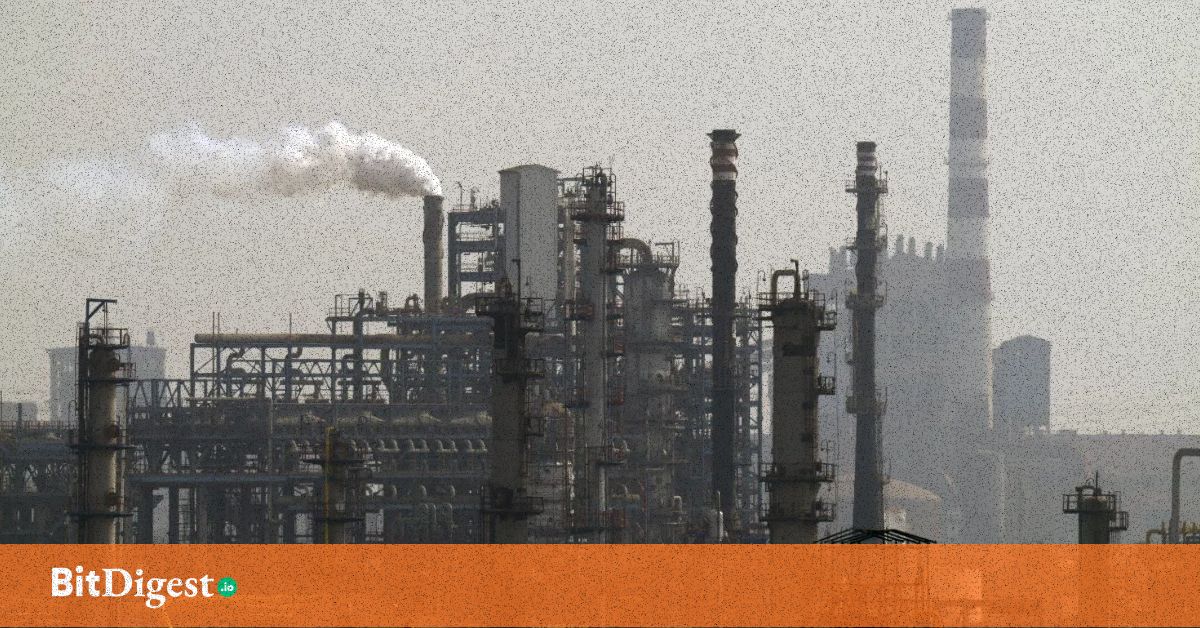
Asian Diesel Prices Surge as Philippines Bears the Sharpest Spike
Diesel prices in the Philippines have jumped 70%–110% in weeks, the sharpest increase in Asia, as global crude surges and the peso weakens. Unlike neighboring countries with subsidies, the Philippines’ deregulated market means global price shocks hit consumers almost instantly; pushing pump prices past ₱100/L in many areas.
READ MORE →
Bridging Crypto and TradFi: The Rise of Hybrid Finance Through Equity Perps
Platforms like OKX are rolling out equity perpetuals, letting users trade synthetic exposure to companies like Apple, NVIDIA, and Microsoft—all within a crypto-native system using stablecoins.
READ MORE →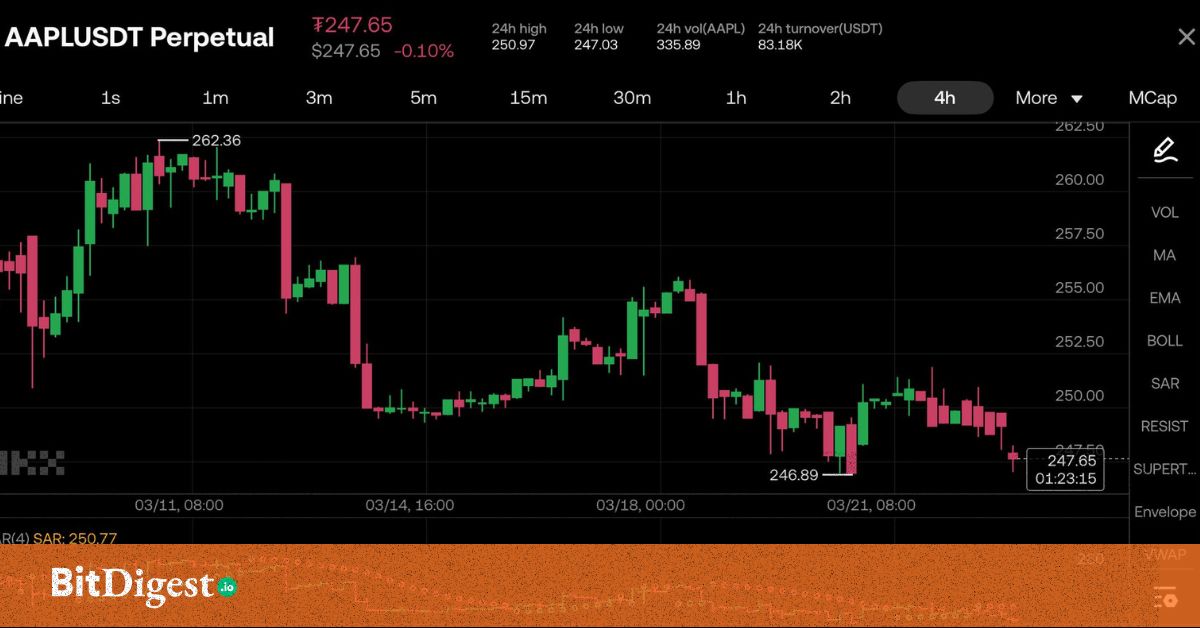
24/7 Stock Trading Explained: Why It Changes Everything
Platforms like OKX are introducing stock-linked derivatives that trade 24/7, giving users continuous exposure to companies like Apple, NVIDIA, and Tesla; no market hours required.
READ MORE →US Threatens Iran Strikes Over Hormuz Crisis
The United States has warned Iran to fully reopen the Strait of Hormuz or face potential strikes on key infrastructure, escalating one of the most critical global energy flashpoints. Around 20% of global oil supply flows through the strait, making the standoff a major risk to markets.
READ MORE →Hong Kong Retiree Loses HK$6.6 Million in Triple Crypto Scam via WhatsApp
A 66-year-old in Hong Kong lost HK$6.6 million (~$840K) after falling into a chained crypto scam that began on WhatsApp. Fraudsters first posed as investment experts, then as recovery agents, ultimately extracting the victim’s entire savings.
READ MORE →Marcos Releases ₱21.47B Amid Fuel Crisis
President Ferdinand Marcos Jr. has ordered the release of ₱21.47 billion to fund fuel subsidies and sustain infrastructure projects. The move aims to ease pressure on transport groups and keep economic activity moving as global oil prices rise.
READ MORE →Philippines Posts $2.28 Billion Balance of Payments Deficit in February
The Philippines logged a $2.28 billion balance of payments deficit in February, driven by capital outflows and strong dollar demand. The shortfall adds pressure on the peso, which has already been flirting with the ₱60/$ level.
READ MORE →Meta Burns $80B on Metaverse Push
Meta Platforms has racked up nearly $80 billion in losses from its metaverse push, as adoption lags and costs keep rising. With Reality Labs bleeding billions yearly, the company is now shifting focus to AI and smart wearables.
READ MORE →China Extends Gold Buying Streak to 16 Months, Reserves Hit Record High
China’s central bank has extended its gold buying streak to 16 straight months, pushing reserves to a record 2,309 tonnes. The steady accumulation reflects a long-term move to diversify away from the US dollar and hedge against global instability.
READ MORE →FTX to Distribute $2.2 Billion to Creditors in Fourth Bankruptcy Payout
The FTX Recovery Trust will distribute $2.2 billion to creditors starting March 31, marking its fourth major payout since the exchange’s 2022 collapse. Total repayments have now reached around $10 billion, with some claimants nearing full recovery.
READ MORE →Google Unveils “Vibe Design” as It Repositions Stitch Into AI-Native Design Platform
Google has revamped its Stitch platform into an AI-native design tool powered by Gemini AI model, introducing a new concept called “vibe design.” The system allows users to generate full app interfaces, prototypes, and even frontend code using natural language, voice, and images—bypassing traditional design workflows.
READ MORE →Philippine Peso Breaches ₱60 Mark Against US Dollar for First Time
The Philippine peso breached the ₱60-per-dollar level for the first time, hitting an intraday low of around ₱60.07 as global oil prices surge and the US dollar strengthens. The Bangko Sentral ng Pilipinas has stepped in to smooth volatility but continues to avoid defending a fixed exchange rate.
READ MORE →Bitrefill Hit by Cyberattack Linked to Lazarus Group, Exposing Limited Customer Data
Crypto commerce platform Bitrefill disclosed a cyberattack linked to the Lazarus Group that compromised internal systems and exposed around 18,500 customer transaction records. The breach stemmed from a compromised employee device, allowing attackers to access hot wallets and internal infrastructure.
READ MORE →Mastercard to Acquire BVNK in $1.8 Billion Stablecoin Deal
Mastercard has agreed to acquire BVNK in a deal worth up to $1.8 billion, signaling a major push into stablecoin infrastructure. The move aims to enable 24/7 programmable payments, faster cross-border transfers, and on-chain settlement across its global network.
READ MORE →Philippine Manufacturers Pledge to Hold Prices of Basic Goods
The Department of Trade and Industry (Philippines) announced that 21 manufacturers have agreed to keep prices of essential goods stable for at least 30 days, with some extending up to 60 days, despite rising fuel and logistics costs.
READ MORE →World Launches AgentKit to Enable “Human-Verified” AI Agents
World has introduced AgentKit, a developer toolkit that allows AI agents to prove they are backed by real humans using its World ID system. The platform uses cryptographic verification and zero-knowledge proofs to enable trusted, privacy-preserving AI interactions across apps and services.
READ MORE →Philippine Senate Approves Bill Allowing Suspension of Fuel Excise Taxes
The Senate of the Philippines approved a bill allowing the president to temporarily suspend or reduce fuel excise taxes during periods of extreme oil price spikes. The measure, sponsored by Pia Cayetano and certified urgent by Ferdinand Marcos Jr., aims to provide faster relief as global energy markets remain volatile.
READ MORE →xAI Recruits Wall Street Experts to Train Grok in Finance
xAI is hiring finance professionals from bankers and traders to portfolio managers to train its Grok AI chatbot in advanced financial analysis. The experts will provide annotated investment data, critiques of AI-generated insights, and real-world reasoning to improve Grok’s understanding of markets.
READ MORE →Sen. Pangilinan Warns Oil Firms Against Premature Price Hikes Amid Middle East Tensions
Sen. Francis “Kiko” Pangilinan warned fuel companies against implementing premature price increases before the scheduled March 10 adjustment, as global oil markets remain volatile due to Middle East tensions. Reports of early pump price hikes and panic buying prompted calls for stricter monitoring by authorities.
READ MORE →Stablecoin Firms Bet on AI Agents to Power the Next Wave of Digital Payments
Major fintech and crypto companies are building payment infrastructure designed for autonomous AI agents, betting that machine-to-machine commerce could drive the next wave of stablecoin adoption. Firms including Circle, Stripe, and Coinbase are experimenting with systems that allow AI software to make automated microtransactions for data, computing power, and digital services.
READ MORE →Philippines’ Foreign Reserves Hit Record $112.7 Billion in February
The Philippines’ gross international reserves reached a record $112.7 billion in February 2026, according to the Bangko Sentral ng Pilipinas. The reserves are enough to cover 7.5 months of imports and more than four times the country’s short-term external debt, signaling strong external liquidity.
READ MORE →AI Firms Clash Over Pentagon Contracts as Ethics Debate Intensifies
A dispute between AI companies and the U.S. government has intensified debate over military uses of artificial intelligence. Anthropic’s negotiations with the Pentagon collapsed over restrictions on surveillance and autonomous weapons, while OpenAI reached a separate agreement to deploy models on classified systems under revised safeguards.
READ MORE →.svg)


.svg)