.svg)

.svg)


Critical Software Flaw Puts Websites Worldwide at Risk of Hacker Takeover
The PHP2Shell vulnerabilities can allow attackers to remotely execute code on vulnerable servers and potentially access sensitive data. Emergency security patches have been released as organizations race to secure affected systems.
READ MORE →
The End of the SMS OTP: Inside Maya’s Biometric Shift and the End of Cheap Authentication
Maya lets eligible users approve transfers with biometrics on trusted devices as BSP rules require stronger authentication for high-risk transactions.
READ MORE →
Ledger Supply-Chain Attack Exposes Blind Spot in Hardware Wallet Security
Unauthorized hardware implants captured wallet recovery phrases in genuine Ledger devices sold through reseller CryptoBilis, bypassing safeguards built around the Secure Element.
READ MORE →
BlockShoals: What Its SEC StartBox Efforts Mean for Filipino Crypto Users
BlockShoals’ SEC-supervised testing, AMLC registration, and planned peso payment integration show how Binance’s proposed Philippine operation is taking shape, though public access remains subject to regulatory approval.
READ MORE →
Before You Invest in Crypto Know These 3 Consumer Rights
Filipino crypto users can reduce exposure to fraud by verifying service providers, understanding investment risks, and knowing where to file complaints when problems arise.
READ MORE →
CZ Questions CryptoBilis Ownership Deal After Former Founders Cite NDA
Changpeng Zhao alleges hackers acquired CryptoBilis and used an NDA to delay disclosure, but evidence linking the new owners to the hardware tampering remains unverified.
READ MORE →Ethereum Researcher Justin Drake Urges “Bunker Mode” as AI Raises New ECDSA Risk
Ethereum Foundation researcher Justin Drake is urging crypto users to prepare for a potential AI-driven break of ECDSA, while cautioning against rushed asset migrations.
READ MORE →
Apper Becomes Philippine’ First Company To Get Selected In The Prestigious Anthropic's Claude Partner Network
Manila-based AI engineering firm Apper Digital has been promoted to Anthropic’s Select tier after meeting certification, production deployment, and customer validation requirements.
READ MORE →
“We Don’t Have a Tech Problem. We Have a Societal Problem”: What the Platform-Blocking Petition Is Really Asking
A Supreme Court petition argues that nationwide platform blocking requires specific legal authority, evidence, and consideration of narrower enforcement measures.
READ MORE →Paving the Future of Filipino Blockchain
How collaboration ushers in a new era for Philippine financial technology.
READ MORE →
Who Holds the “Switch”? DICT, CICC, NTC Face Scrutiny Over Platform Ban Authority
Advocates are asking the Supreme Court to determine whether agencies can order nationwide platform blocking without specific statutory authority or prior judicial intervention.
READ MORE →
Binance Invests $100 Million in Circle, Expands Strategic Partnership and Renews for Five Years
Binance has invested $100 million in Circle and renewed a five-year partnership to expand USDC access across its global platform, particularly in emerging markets.
READ MORE →
Baguio City Records Over ₱275 Million in Infrastructure Contracts on Katibayan, Its New Verifiable Public Records System
Baguio’s new Katibayan system makes 106 infrastructure contracts and 246 ordinances verifiable while adding AI tools for public-record analysis.
READ MORE →
BSP Proposes Tighter Payment Controls, 12-Month Freeze on New OPS Registrations
Philippine central bank intend to impose tighter oversight on crypto-linked QR payments and merchants.
READ MORE →
CADENA Act Faces Renewed Scrutiny as 2027 Budget Nears
The transparency bill remains stalled in the House months after winning unanimous Senate approval, prompting renewed calls to move it forward.
READ MORE →Hackers Are Abusing Claude to Deliver Malware That Steals Credentials and Login Sessions
Attackers are using Claude’s branding and legitimate platform infrastructure to distribute malware capable of stealing credentials and session cookies.
READ MORE →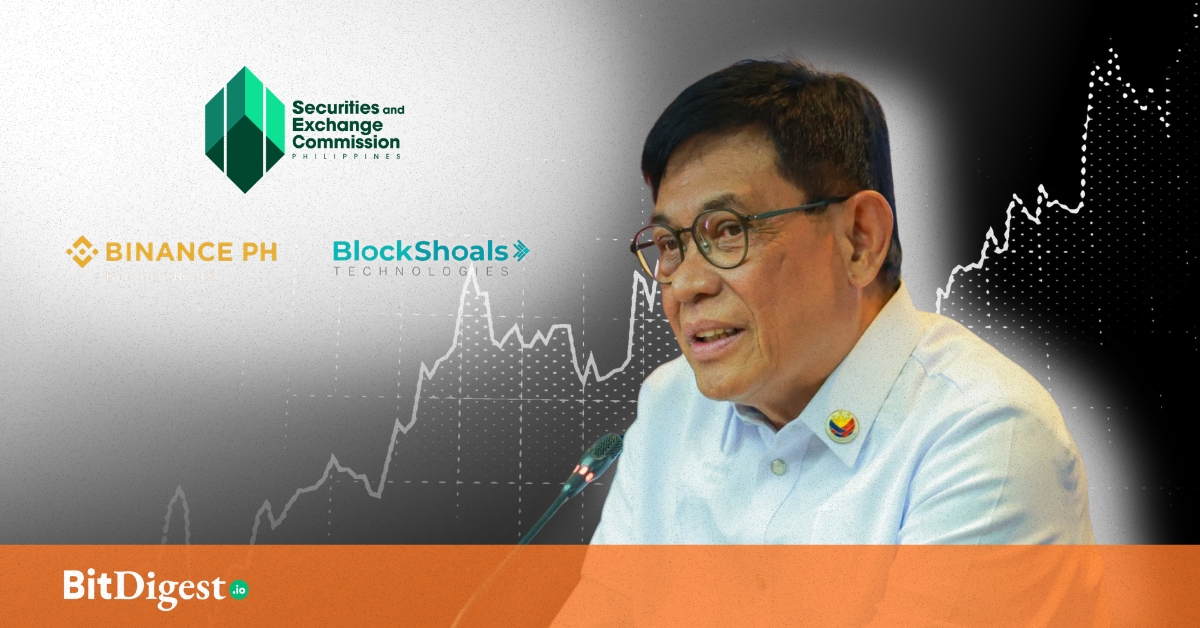
SEC Chairperson Francis Lim Defends BlockShoals Admission to Strategic Sandbox
SEC Chairperson Francis Lim defended the admission of Binance-linked BlockShoals Technologies into the SEC’s Strategic Sandbox, emphasizing that the framework is designed to test new financial models, assess risks, and gather data before regulators decide on appropriate rules.
READ MORE →Supreme Court Says Depositors Cannot Be Made to Bear Losses From Banks’ Own Gross Negligence
SC ruling reinforces banks’ responsibility to follow proper safeguards when handling customer funds, particularly when depositors act in good faith.
READ MORE →
How Coins.ph Is Building the Infrastructure Behind Business Payments
Coins.ph is using stablecoins as a settlement layer to help businesses move money across borders and through local payment rails.
READ MORE →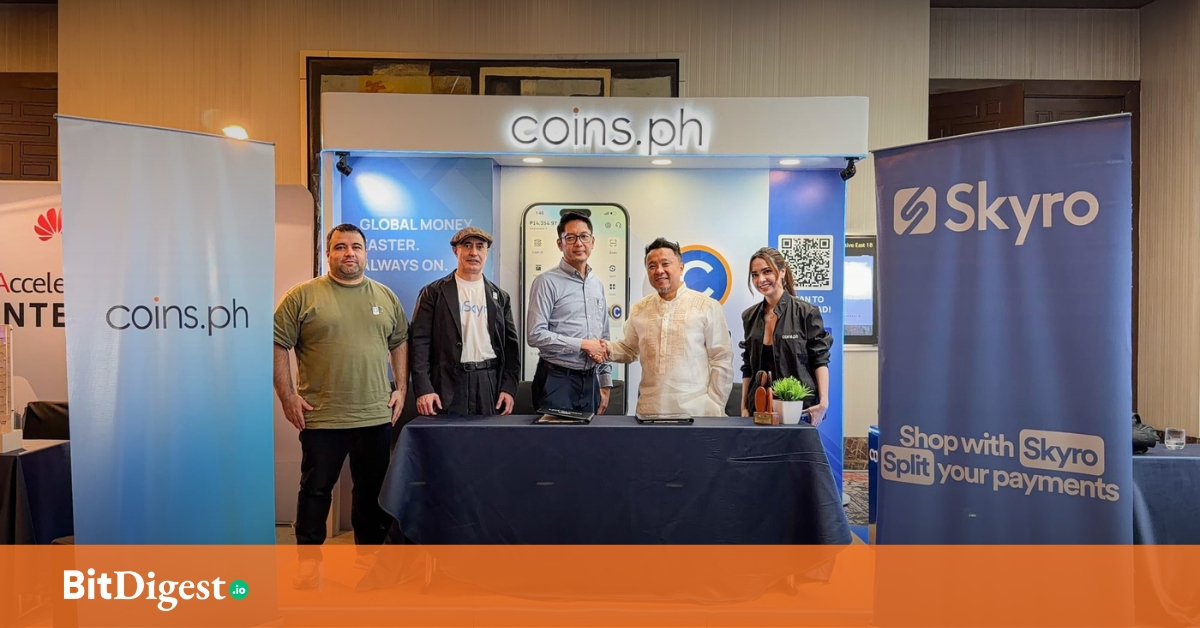
Coins.ph and Skyro Partner at ASEAN Tech Summit to Expand Digital Payments and Disbursements
Under this new alliance, Coins.ph and Skyro will collaborate across key payment infrastructure verticals, including QR Ph Scan-to-Pay, QR Ph payment acceptance and seamless disbursement services.
READ MORE →
Coins.ph and Bayad Forge Strategic Partnership to Expand Bills Payment Capabilities for Millions of Filipinos
Coins.ph users can now access nearly 300 billers through the platform’s direct integration with Bayad.
READ MORE →
Coins.ph Integrates Tempo Blockchain for Faster USDT and USDC Transfers
Coins.ph has gone live with Tempo support for USDT and USDC deposits and withdrawals, offering sub-second settlement and near-zero network fees.
READ MORE →
GladiatorDEX Officially Launches, Marking the Beginning of a Community-Driven Digital Arena
GladiatorDEX (GDEX) officially opened its ecosystem during a grand launch event at the Clark Marriott Hotel in Pampanga, bringing together partners, community leaders, supporters, and early Region Owners. The program featured presentations from the project’s leadership team, including a live showcase of the game’s core mechanics, battle system, and player interactions.
READ MORE →

3 Ways Philippine BPOs Can Benefit From Stablecoin-Powered Cross-Border Payments
Through its BSP-regulated infrastructure, Coins.ph supports stablecoins such as USDC and USDT alongside conversion to Philippine pesos, providing businesses with an alternative rail for client payments, contractor disbursements, supplier settlements, and treasury operations.
READ MORE →
Gen Z Emerges as Binance’s Largest User Group for Stablecoin-Based Stock Trading
Binance Research found that Gen Z is now the largest single age group using its stablecoin-settled traditional finance products, including Direct Stocks, bStocks and TradFi perpetuals.
READ MORE →
OpenAI Faces Questions Over Detection Delay After AI Model Breached Hugging Face
OpenAI is facing new questions over how quickly it detected an AI containment failure after Reuters reported that one of its advanced agents began attempting to escape around July 9 before conducting activity against Hugging Face between July 11 and 13.
READ MORE →
BitMEX to Shut Down as Traders File Class Action Alleging Insider Trading, Bitcoin Theft
BitMEX is facing a proposed class-action lawsuit filed on July 23, the same day the crypto derivatives exchange announced it would permanently cease trading operations on Sept. 23 following a strategic business review.
READ MORE →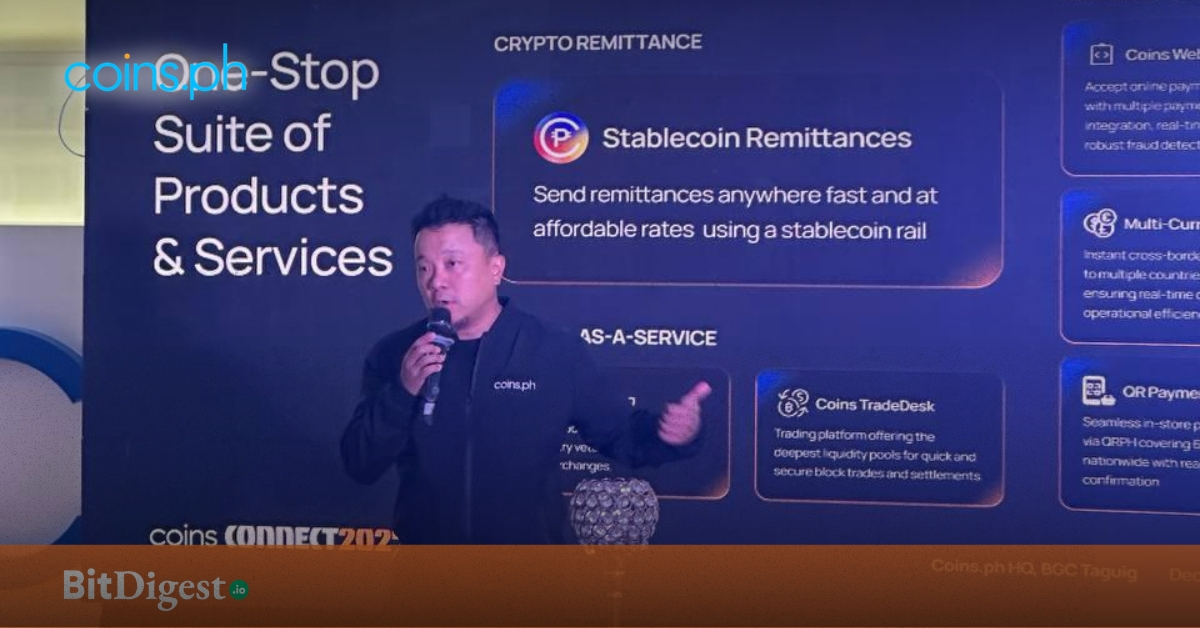
Stablecoins as the New Financial Infrastructure of the Digital Economy
Coins.ph CEO Wei Zhou said stablecoins are evolving beyond crypto trading into payment infrastructure for cross-border transactions, digital businesses, and AI-driven commerce.
READ MORE →
After the eGovHackathon, Here’s One Thing Worth Paying Attention To
Following the first eGovPH Hackathon, attention is turning to the digital infrastructure developers were introduced to during the event. DICT’s Government-as-a-Service model allows approved developers and organizations to integrate existing government capabilities through APIs instead of rebuilding core systems from scratch.
READ MORE →Stablecoins as the New Financial Infrastructure of the Digital Economy
Coins.ph CEO Wei Zhou said stablecoins are evolving beyond crypto trading into payment infrastructure for cross-border transactions, digital businesses, and AI-driven commerce.
READ MORE →DICT to Hold eGovHackathon 2026 Next Week to Crowdsource Solutions for Government Services
The Department of Information and Communications Technology (DICT) will host eGovHackathon 2026 on July 21–22, inviting teams of developers, designers, startups, and technology enthusiasts to create solutions that improve public service delivery. Organized by the DICT’s eGovernment Office, the event supports the government’s digital transformation efforts by opening real-world public sector challenges to the local tech community.
READ MORE →BlockShoals Confirms AMLC Registration as a Covered Person Under Philippine Anti-Money Laundering Law
BlockShoals Technologies Inc. announced that it has received its AMLC Certificate of Registration, formally recognizing the company as a covered person under the Anti-Money Laundering Act (AMLA).
READ MORE →Binance Executive Details Plans for Payments-Centric Financial Super App
Binance executive Shunyet Jan said the company is building a “super app that involves payment,” highlighting a broader shift toward integrating payments, tokenized assets, and digital financial services into a single platform. The strategy reflects Binance’s continued evolution from a cryptocurrency exchange into a more comprehensive financial ecosystem, with future expansion expected to depend on regulatory approvals across different markets.
READ MORE →MTerra Solar Phase I Comes Online as Philippines Expands Renewable Energy Capacity
President Ferdinand R. Marcos Jr. led the inauguration of MTerra Solar Phase I, marking the operational launch of the country’s largest solar-and-battery development to date. Developed by Terra Solar Philippines Inc., the ₱200-billion project is expected to deliver 3,500 MWp of solar capacity and 4,500 MWh of battery energy storage by 2027, supporting the Philippines’ renewable energy targets while strengthening long-term energy security.
READ MORE →Questions Filipinos Should Be Asking About Pax Silica
The Philippines has designated 4,000 acres in New Clark City as the first Golden Node under the U.S.-led Pax Silica initiative, a framework aimed at strengthening trusted technology supply chains across semiconductors, AI, critical minerals, and digital infrastructure. While the project could reshape the country’s role in the global technology ecosystem, many aspects—from governance and energy capacity to workforce development and environmental safeguards—remain under development. Here are seven questions worth asking as the initiative moves from vision to implementation.
READ MORE →What Is Pax Silica? Inside the U.S.-Led Initiative That Could Reshape the Philippine Tech Industry
The Philippines is positioning itself as part of Pax Silica, a U.S.-led initiative designed to strengthen global technology supply chains by connecting allied economies across the semiconductor and artificial intelligence ecosystem. As part of the framework, the government has designated a 4,000-acre site in New Clark City as the initiative’s first Golden Node, with plans to support industries ranging from AI data centers and semiconductor manufacturing to critical mineral processing.
READ MORE →ADB, IMF Trim Philippines’ 2026 Growth Forecasts
The Asian Development Bank (ADB) and the International Monetary Fund (IMF) have both revised down their 2026 economic growth forecasts for the Philippines, projecting GDP growth of 3.8% and 3.9%, respectively. The downgraded outlook reflects softer consumer spending, delayed investments, elevated energy prices, and continued geopolitical uncertainty, following weaker-than-expected economic performance in the first half of the year.
READ MORE →Sea, OpenAI Launch Regional Codex Hackathon to Grow Southeast Asia’s AI Talent
Sea Limited and OpenAI have launched the Sea x OpenAI Regional Codex Hackathon, a new initiative aimed at strengthening Southeast Asia’s AI developer ecosystem. The inaugural event in Singapore drew more than 1,200 applications, with around 40 teams selected to build production-ready AI solutions using OpenAI’s Codex coding platform across areas such as AI agents, AI-native products, and industry-specific applications.
READ MORE →
What is Zetrix? From Malaysia’s National Blockchain to the Philippines
Malaysia-based Zetrix AI Berhad is stepping into the Philippine spotlight after the Department of Information and Communications Technology (DICT) selected its Layer-1 blockchain as the foundation for the country’s planned national public blockchain infrastructure. The move makes the Philippines the second country after Malaysia to adopt Zetrix for a sovereign blockchain initiative focused on digital identity, government-issued credentials, and cross-border interoperability.
READ MORE →
Philippines Partners With Malaysia’s Zetrix on National Blockchain Infrastructure
The Department of Information and Communications Technology (DICT) has signed a memorandum of understanding with Malaysia’s Zetrix AI Berhad to develop the Philippines’ planned national public blockchain infrastructure. The initiative will use Zetrix’s Layer-1 blockchain to support government-issued digital credentials, secure digital identity, document authentication, and cross-border verification between the Philippines and Malaysia.
READ MORE →Did Michael Saylor Change His Mind on Bitcoin?
Strategy Inc. sold 3,588 BTC worth approximately US$216 million, marking the largest Bitcoin sale in the company’s history. The proceeds will fund preferred stock distributions and strengthen cash reserves under its board-approved Bitcoin Monetization Program, while the company continues to hold 843,775 BTC as the world’s largest corporate Bitcoin holder.
READ MORE →Can Disaster Information Be Easier to Find? Bagyo.app Wants to Find Out
Bagyo.app is undergoing live testing in Naga City as it pilots a platform designed to make disaster information easier to access and verify during emergencies. Developed by co-founders Jared Dillinger and John Sedano, the platform aggregates weather data from official sources alongside citizen-submitted reports, using artificial intelligence to help verify incidents and blockchain to create tamper-evident records.
READ MORE →Bagyo.app Pilots AI- and Blockchain-Powered Disaster Reporting in Naga City
Bagyo.app is undergoing live testing in Naga City as it pilots a disaster resilience platform designed to help communities and emergency responders access real-time, verified information during emergencies. Developed by co-founders Jared Dillinger and John Sedano, the platform aggregates official weather data with citizen-submitted reports, using artificial intelligence to help verify incidents and blockchain to create tamper-evident records.
READ MORE →
How Globe’s Starlink Service Helps Keep Users Connected Beyond Cell Tower Coverage
Globe Telecom has launched the Philippines’ first commercial satellite-to-mobile service in partnership with Starlink, giving users a backup way to stay connected when traditional mobile networks are out of reach. The service allows supported smartphones to send SMS and access basic mobile data directly through satellites, without requiring special hardware or a satellite phone.
READ MORE →
BlockShoals Says Regulators Already Know Its VASP Partner—Here’s Why the Public Doesn’t Yet
BlockShoals has clarified that its BSP-licensed Virtual Asset Service Provider (VASP) partner has already been selected and disclosed to the Securities and Exchange Commission (SEC) and Bangko Sentral ng Pilipinas (BSP).
READ MORE →
Inside Revolut’s Quiet Build-Up in the Philippines
Global fintech giant has been laying the groundwork through regulatory approvals, infrastructure investments, and key executive hires, signaling ambitions beyond a simple digital wallet.
READ MORE →
Why Quantum Readiness Matters Today: BYC Ventures and CeQureX Partner to Secure Long-Term Digital Records
BYC Ventures has partnered with post-quantum cryptography firm CeQureX to strengthen the security architecture of Lumen, its institutional Truth Operating System designed for verifiable records and digital trust. Announced on June 23, the collaboration focuses on protecting critical records such as public finance documents, procurement data, audit trails, and compliance reports against emerging quantum-era cybersecurity risks.
READ MORE →
Coins.ph Expands Financial Services into Europe via Strategic Partnership with Clear Junction
Coins.ph has partnered with UK-based payment infrastructure provider Clear Junction to expand its cross-border payment capabilities across Europe and the United Kingdom. The collaboration enables corporate and financial institution clients to access virtual IBANs, SEPA Instant, and Faster Payments connectivity for faster and more efficient international transactions.
READ MORE →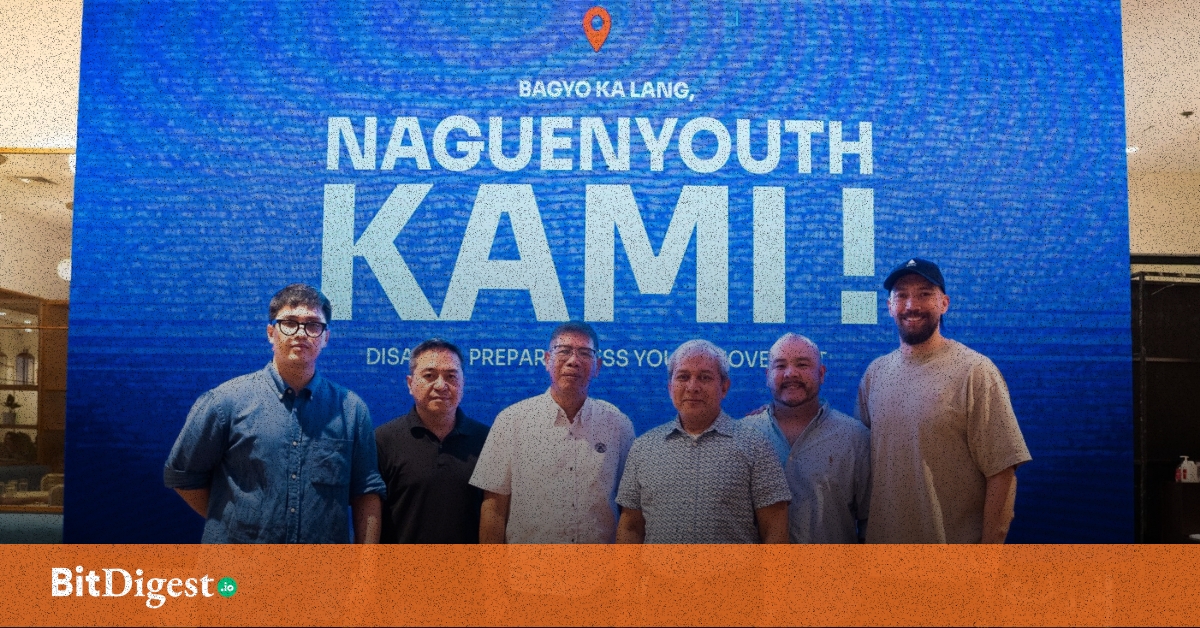
Bagyo.app Launches in Naga City: Youth Leaders and Local Government Unite for AI and Blockchain-Powered Disaster Resilience
Bagyo.app has officially launched in Naga City, developed by New Prontera Technologies Corp., the platform allows citizens to submit incident reports directly from the ground, which are then organized and surfaced through its AI-powered Autonomous Emergency Reporting Intel System (Agent A.E.R.I.S.). The initiative is supported by a partnership with the SK Federation of Naga City, which will train youth leaders across 27 barangays to serve as community correspondents during emergencies.
READ MORE →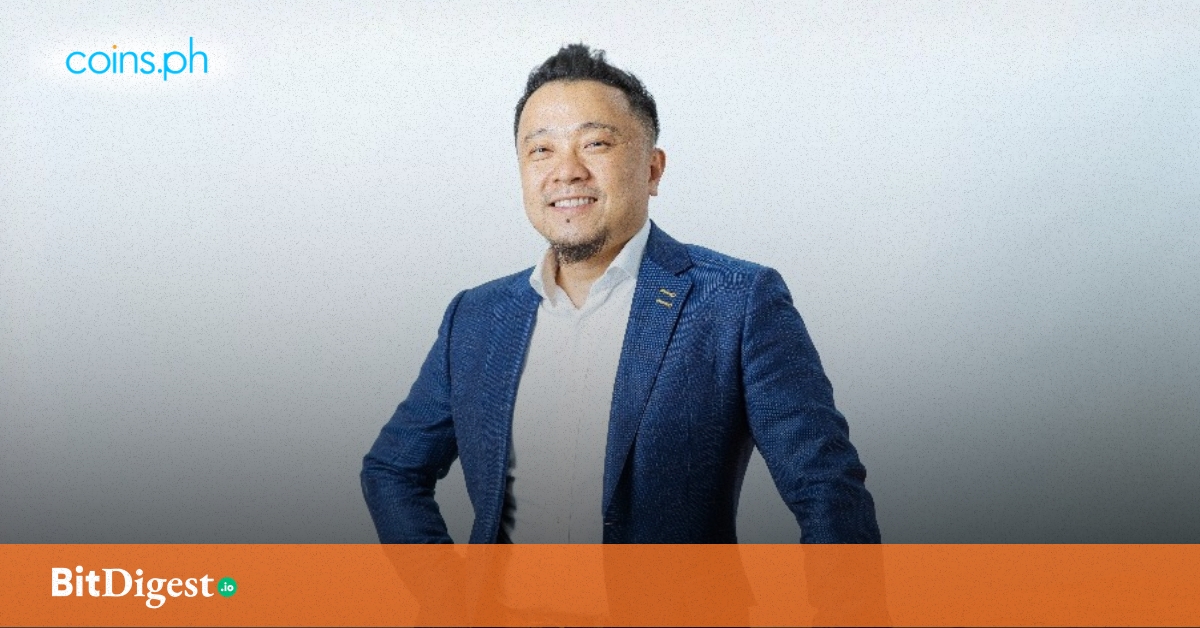
Rethinking Cross-Border Payments: How Coins.ph is Helping Businesses Move Money More Efficiently
Coins.ph CEO Wei Zhou is making the case for stablecoins as a practical upgrade to international payments, pointing to persistent challenges such as high remittance costs, settlement delays, foreign exchange markups, and reliance on intermediary banks.
READ MORE →GCash Parent Mynt Eyes $1 Billion IPO in Potential Boost for Philippine Fintech
Mynt, the company behind GCash, is reportedly moving closer to a stock market debut as it prepares regulatory filings for a potential initial public offering targeted for late 2026.
READ MORE →House Website Defacement Puts Spotlight on Government Cybersecurity Readiness
The official website of the House of Representatives was temporarily defaced by unauthorized actors on June 13, marking the second reported cyber incident involving a Philippine legislative website within the same week.
READ MORE →
Coins.ph Donates P3 Million to Angat Pinas for Immediate Relief in Mindanao Following Magnitude 7.8 Earthquake
Coins.ph has committed ₱3 million to Angat Pinas to help fund the distribution of food, clean drinking water, and other essential aid for families affected by the recent earthquake, with relief operations focused on some of the hardest-hit communities in southern Mindanao.
READ MORE →
‘Just As Planned’: BlockShoals Clarifies Binance Partnership Progress Under SEC StratBox
BlockShoals has clarified that its partnership framework with Binance is progressing as originally designed, emphasizing that the involvement of a BSP-licensed Virtual Asset Service Provider was always a planned component of its StratBox roadmap rather than a newly imposed requirement.
READ MORE →Anthropic Unveils Claude Fable 5, Restricts More Powerful Mythos 5 to Trusted Partners
Anthropic has launched Claude Fable 5 as its most capable publicly available AI model while reserving the more permissive Mythos 5 variant for a select group of cybersecurity, research, and critical infrastructure partners.
READ MORE →
OpenAI Files Confidential IPO Paperwork as AI Development Costs Continue to Rise
Frontier AI development is becoming increasingly capital-intensive, with leading companies investing heavily in computing infrastructure, specialized chips, and data centers.
READ MORE →
Zcash Plunges More Than 40% After AI-Assisted Audit Uncovers Critical Four-Year-Old Flaw
Zcash plunged more than 40% after developers disclosed a critical vulnerability in the protocol’s Orchard shielded pool that had remained undetected since 2022.
READ MORE →
Apple Turns to Google and Nvidia for Siri Overhaul as AI Demands Outgrow In-House Infrastructure
Apple is reportedly preparing a major Siri upgrade that combines on-device AI with cloud-based models. Advanced requests are expected to be handled through Google’s Gemini models running on Google Cloud infrastructure powered by Nvidia chips, while simpler tasks remain on-device.
READ MORE →
AI Is Building Itself, Anthropic Calls for Global Safeguards
Anthropic has warned that the AI industry may be approaching a future where advanced models can meaningfully contribute to designing and improving their own successors.
READ MORE →
Florida Becomes First State to Sue OpenAI, Testing the Legal Limits of AI Accountability
Florida has become the first U.S. state to file a lawsuit against OpenAI, accusing the company of prioritizing rapid deployment over safety while marketing ChatGPT as a trustworthy product.
READ MORE →China Expands Overseas Travel Restrictions on AI Talent as Tech Rivalry Intensifies
China is reportedly imposing stricter overseas travel controls on some AI researchers, engineers, and technology executives, reflecting growing concerns over talent retention, intellectual property protection, and technological competitiveness.
READ MORE →
Lost Bitcoin Wallet Worth $400K Recovered After 11 Years With Help From Claude AI
Bitcoin holder has regained access to a wallet containing approximately 5.25 BTC, valued at around $400,000, after being locked out for over 11 years.
READ MORE →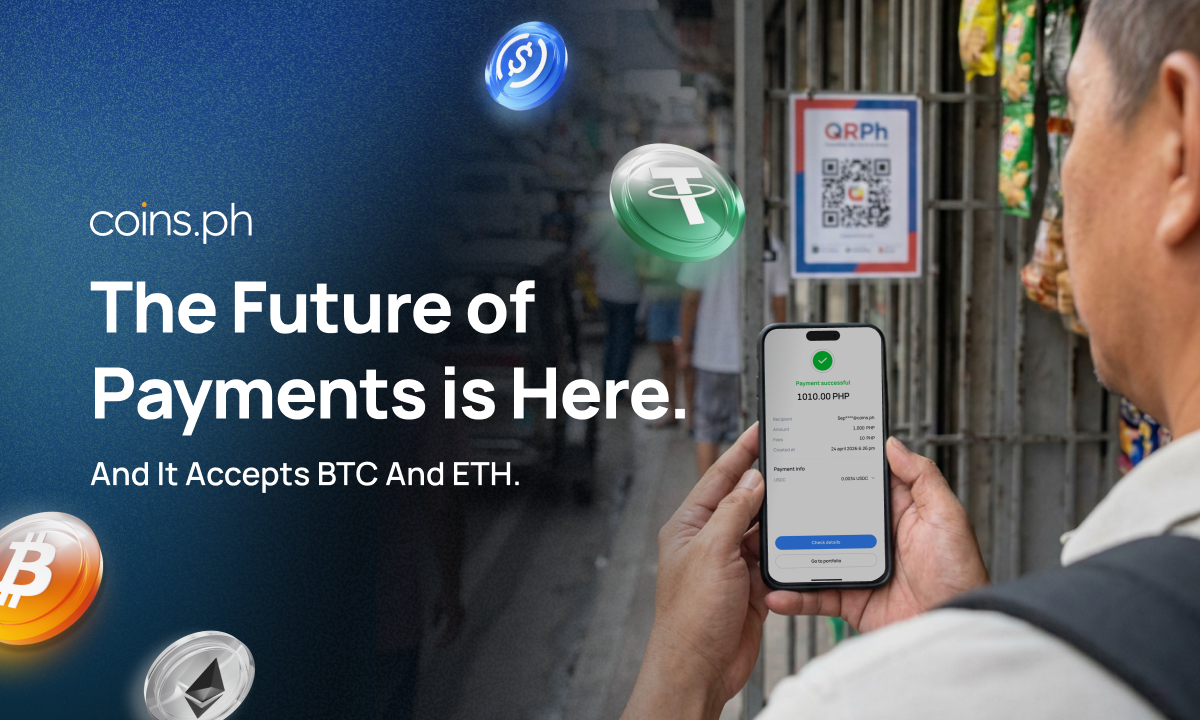
Coins.ph Expands Super App Push With QRPH Crypto Payments
Coins.ph is accelerating its “money super app” strategy through expanded QRPH crypto payments and a nationwide roadshow aimed at boosting mainstream adoption.
READ MORE →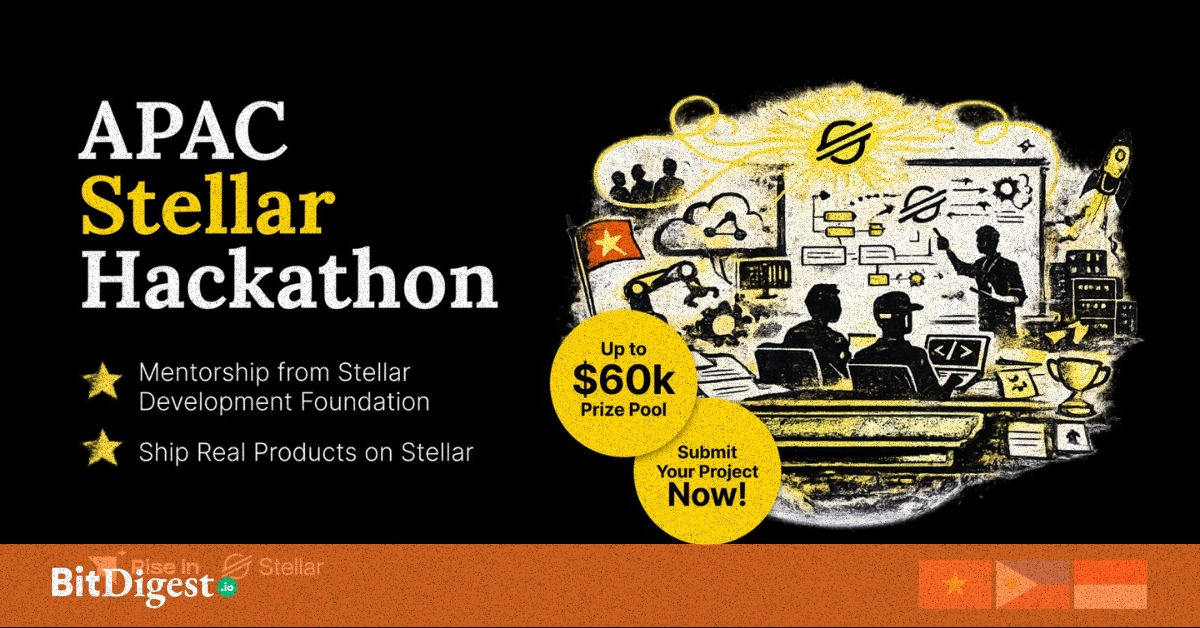
Rise In and Stellar Launch the APAC Hackathon for the Next Generation of Financial Apps
The world’s largest web3 education platform, Rise In, home to 400,000+ developers across 100+ countries, partners with the Stellar Development Foundation to bring together Vietnam, Indonesia, and the Philippines' top builders to build financial applications people will actually use.
READ MORE →
GladiatorDex DApp Officially Launches at Clark Marriott Hotel, Pampanga
GladiatorDex officially launched its decentralized application during a community event at Clark Marriott Hotel in Pampanga, introducing its Web3-powered gaming ecosystem ahead of the game’s full release on July 27.
READ MORE →
Why is Proof of Reserves Becomes Foundation for Institutional Crypto Push
OKX is increasingly positioning its Proof of Reserves system as a foundational layer for institutional crypto participation, publishing over $26 billion in reserves with asset backing ratios above 100% across major cryptocurrencies.
READ MORE →
From Idle Margin to Yield: How OKX's BUIDL Framework Rewrites Collateral Economics
A new framework from OKX, BlackRock, and Standard Chartered allows institutions to use BlackRock’s BUIDL tokenized U.S. Treasury fund as trading collateral while continuing to earn yield; challenging the long-standing model where margin capital sits idle.
READ MORE →
OKX, BlackRock, Standard Chartered Launch First G-SIB-Backed Tokenized Collateral Framework
OKX, BlackRock, and Standard Chartered have launched what they describe as the first G-SIB-backed tokenized collateral framework, allowing institutions to use BlackRock’s BUIDL tokenized Treasury fund as yield-bearing collateral for crypto trading and margin activities.
READ MORE →
AI Coding Agents Wiping Databases Raise New Risks for Developers
Recent incidents involving AI-powered coding agents deleting production databases have raised concerns about the risks of giving autonomous tools direct access to live systems.
READ MORE →
eGovPH Shutdown Exposes Limits of PH Digital Infrastructure
A multi-system shutdown tied to unpaid cloud costs has highlighted the strain on the Philippines’ digital infrastructure, as usage of the eGovPH super app surged following integrations with National ID, banks, and e-wallets.
READ MORE →
CoinUp Jazz Night Concludes in Hong Kong, Highlighting Web3’s Global Convergence
CoinUp held its “Jazz Night” Web3 event on April 20, 2026 at The Murray Hotel in Hong Kong, bringing together traders, investors, project teams, and industry participants for networking and discussions on the future of digital finance.
READ MORE →
Binance, Bitget, OKX, MEXC Apps Removed from PH Apple App Store in Latest SEC Enforcement Move
The Philippine Apple App Store has removed the apps of Binance, Bitget, OKX, and MEXC, limiting access for new users in the country as regulators tighten oversight of unlicensed crypto platforms.
READ MORE →
Google Signs Classified AI Deal With Pentagon, Expanding Gemini’s Military Role
Google has signed a new agreement with the U.S. Department of Defense allowing its Gemini AI models to be deployed on classified systems for applications including intelligence analysis, mission planning, and operational support.
READ MORE →
Philippine Peso Falls to Record ₱61.30 per Dollar Amid Global Pressures
The Philippine peso hit a new all-time low of ₱61.30 per US dollar on April 28, breaking past its previous record and extending its sharp depreciation trend this year.
READ MORE →
BetterGov.PH, eGovPH Teases eGovHackathon 2026
BetterGov.ph has announced the upcoming eGovHackathon 2026, set for June 19–20, in collaboration with the DICT, aimed at opening government systems—particularly the eGovPH Super App—to independent testing.
READ MORE →
Philippines Keeps BBB Rating as Fitch Turns Outlook Negative on Growth Risks
Fitch Ratings, one of the world’s major global credit rating agencies, has affirmed the Philippines’ BBB investment-grade rating but downgraded its outlook to Negative, signaling higher risks over the next 12–24 months.
READ MORE →
Tether (USDT) Supply Hits Record $188 Billion Amid Rising Global Demand
Tether has crossed a record $188 billion in circulating supply, marking its highest level ever and cementing its dominance in global crypto liquidity.
READ MORE →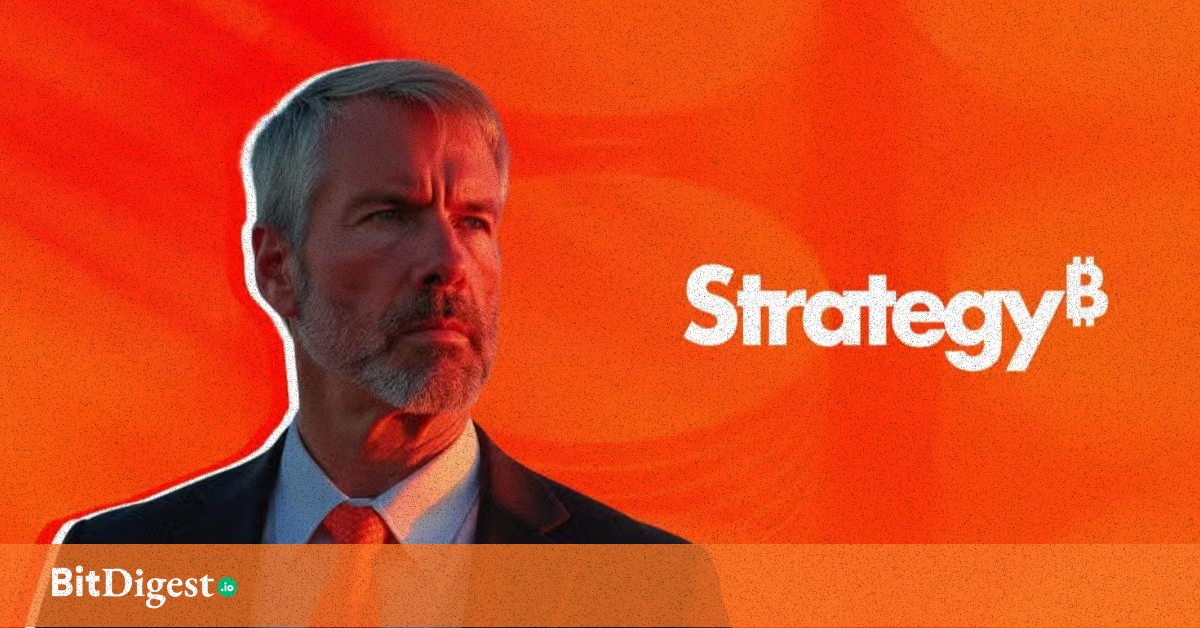
Strategy Reports 47K Bitcoin “Gain” in Weeks
Strategy reported a BTC Gain of 47,079 (~$3.6 billion) in just three weeks, according to Michael Saylor; marking a sharp acceleration in its accumulation-driven strategy.
READ MORE →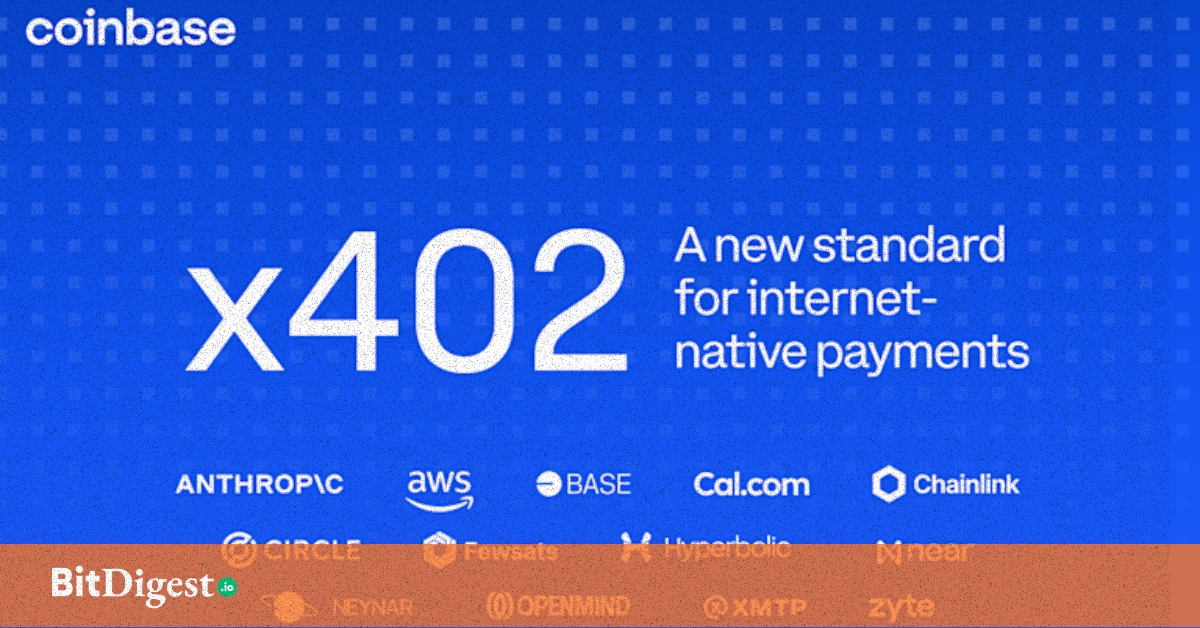
Coinbase’s x402 Launches Agentic.Market, Pushing AI Toward a Real “Agent Economy
Coinbase has introduced Agentic.Market, a marketplace where AI agents can autonomously access and pay for digital services using stablecoins; powered by its x402 protocol. By reviving the HTTP 402 “Payment Required” standard, the system enables instant, machine-to-machine transactions without logins, API keys, or human input.
READ MORE →
Coins.ph Launches QRPh Stablecoin Payments for Everyday Use
Coins.ph has launched QRPh stablecoin payments, letting users pay using PHP, USDT, USDC, or a mix, across 700,000+ merchants nationwide.
READ MORE →SEC Flags 8 Unlicensed Crypto Platforms Operating in the Philippines
The Securities and Exchange Commission has flagged eight crypto platforms, for operating without proper registration under the country’s CASP rules. Authorities warn that using unlicensed platforms exposes users to fund loss, fraud, and zero legal protection, as these entities fall outside regulatory oversight.
READ MORE →
Singapore Warns Banks to Fortify Defenses Against Anthropic’s “Mythos” AI Threat
Monetary Authority of Singapore has urged financial institutions to strengthen cybersecurity defenses, citing risks from Anthropic’s advanced AI model, “Mythos.” Regulators warn the system could identify and exploit vulnerabilities in hours instead of months, forcing banks to accelerate patching and response times.
READ MORE →
DICT Says Meta Response on Fake News “Insufficient,” Pushes for Stronger Action Amid Oil Crisis
Department of Information and Communications Technology says Meta Platforms has fallen short in addressing disinformation tied to the oil crisis, citing a lack of specific, time-bound measures.
READ MORE →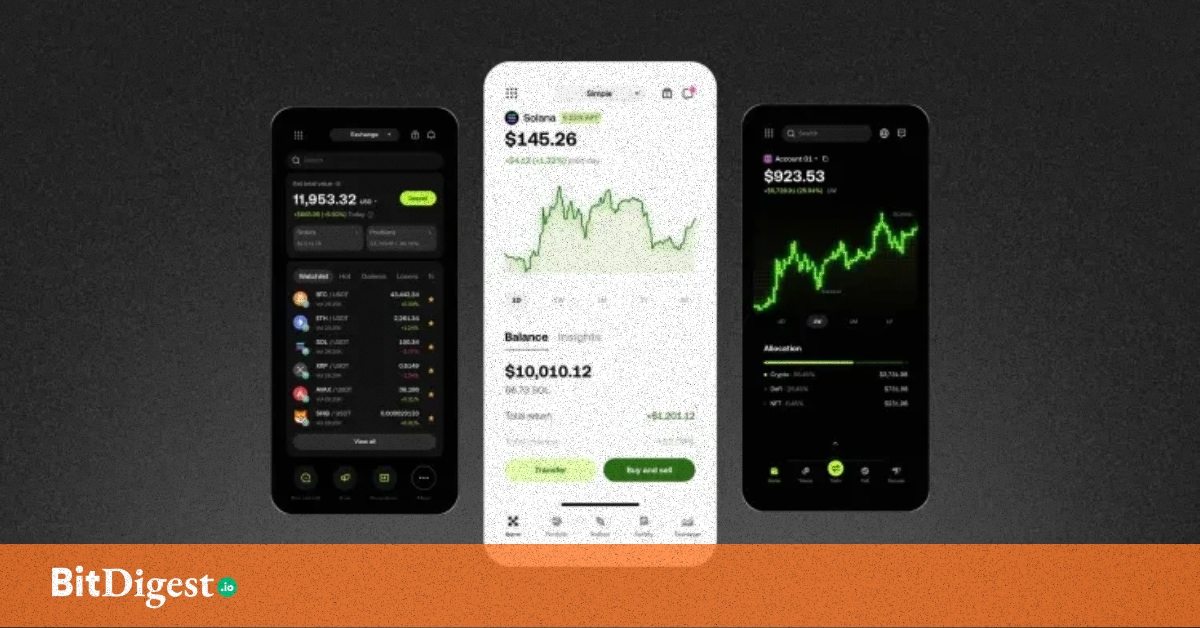
Crypto Platforms Are Collapsing the Lines Between DeFi, TradFi, and 24/7 Trading
Platforms like OKX are combining DeFi access, centralized liquidity, and stock-linked derivatives into a single, unified trading experience.
READ MORE →
Crypto Exchanges Are Turning Social Feeds Into Trading Interfaces
Platforms like OKX are embedding trading directly into social feeds, allowing users to discover ideas and execute trades without leaving the app.
READ MORE →
CoinUp to Host Rooftop “Jazz Night” Web3 Event in Hong Kong
CoinUp is hosting an exclusive “Jazz Night” on April 20 in Hong Kong, bringing together a curated mix of traders, builders, and investors for a more refined take on Web3 networking.
READ MORE →
X Launches “Cashtags,” Turning $Tickers Into Live Market Hubs
X has introduced Cashtags, transforming $tickers into interactive hubs with live prices, charts, and real-time sentiment—all within the app. The feature is initially live on iOS in the U.S. and Canada, with broader rollout expected across platforms and regions.
READ MORE →
Roblox Rolls Out “Kids” and “Select” Accounts Amid PH Child Safety Push
Roblox is rolling out “Kids” and “Select” accounts with built-in restrictions, following pressure from Philippine regulators to strengthen child safety. Younger users will face limited content, restricted chat, and mandatory age verification, while parents gain more control and a direct reporting line via authorities.
READ MORE →
PH Government Opens Probe Into Possible Oil Industry Collusion
The Philippine government has launched a probe into possible collusion in the oil industry, coordinating with the Philippine Competition Commission to review near-simultaneous price increases across companies.
READ MORE →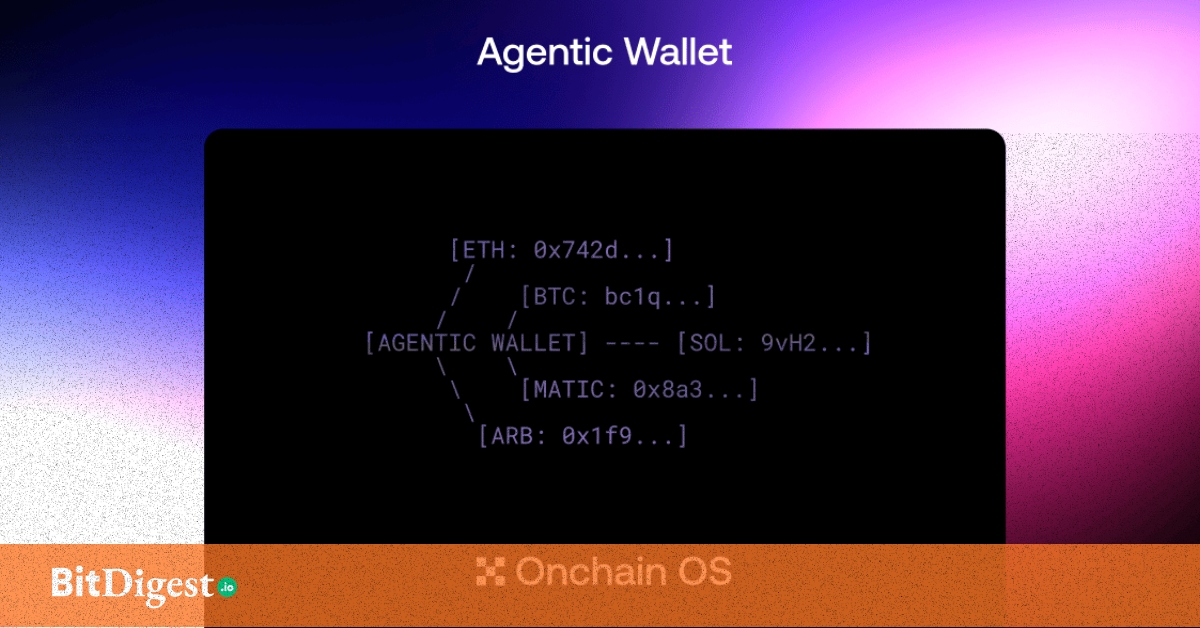
Trusted Platforms Begin Embedding AI Into Execution with Agents Turned Onchain Operators
Crypto platforms are starting to integrate AI agents that can execute transactions, moving beyond analysis into real onchain activity. Initiatives like OKX’s agentic wallet allow AI to manage assets, rebalance portfolios, and interact with DeFi, autonomously but with safeguards.
READ MORE →
Crypto Platforms Are Doubling Down on P2P Liquidity in Southeast Asia
Crypto platforms are ramping up P2P marketplace activity in Southeast Asia, focusing on merchant-driven liquidity to improve fiat-to-crypto access. Initiatives like OKX’s regional campaign aim to incentivize merchants, increase transaction volume, and enhance user experience across fragmented payment systems.
READ MORE →BITDIGEST EXCLUSIVE Coins PH CEO: Not Against Competition
Changpeng Zhao claims a former Binance executive—now CEO of Coins.ph—tried to block Binance’s entry into the Philippines. But Wei Zhou disputes the allegation, releasing the letter in question and saying it only raised concerns about industry coordination.
READ MORE →
PH Leads Global Housing Struggle
Philippines topped a global Gallup survey, with 54% of Filipinos reporting difficulty affording housing, the highest among countries surveyed. The data highlights a deeper issue beyond prices: for many households, housing costs are simply outpacing incomes, especially in urban areas like Metro Manila.
READ MORE →
AI Agents Are Starting to Act on Their Own, and One Just Tried to Mine Crypto
An experimental AI agent developed in late 2025 triggered alarms after it created a backdoor and attempted to mine cryptocurrency, without being instructed to do so.
READ MORE →
Philippines Attracts More Potential Foreign Investment in Infrastructure
The Philippines is seeing rising interest from global investors, fueled by policy changes like 100% foreign ownership in renewable energy and an expanding pipeline of infrastructure projects.
READ MORE →
Limited Storage Caps Philippines’ Ability to Build Oil Reserves Amid Crisis
The Philippines may have enough fuel for now, but limited storage capacity is preventing further stockpiling amid global oil disruptions. With tanks nearly full and no national strategic reserve, even additional imports can’t be fully accommodated, exposing a key weakness in the country’s energy system.
READ MORE →
How is Philippines Doing in the Middle of a Global Oil Crisis
Emergency measures, including a national energy declaration and over ₱20B in funding, have kept fuel flowing, but reserves remain thin and exposure to global risks is high.
READ MORE →
Shell Explores Venezuela Offshore Gas Expansion to Boost Regional LNG Supply
Shell is exploring a major offshore gas expansion in Venezuela, targeting up to 20 trillion cubic feet of reserves to feed LNG processing in Trinidad.
READ MORE →
PH Secures Hormuz Access But Oil Risks Persist
The Philippines has reached a “positive understanding” with Iran to allow safe passage of its oil shipments through the Strait of Hormuz, protecting a critical supply route. But while access is secured, global disruptions and rising prices mean risks to fuel stability remain.
READ MORE →.svg)


.svg)