.svg)

.svg)
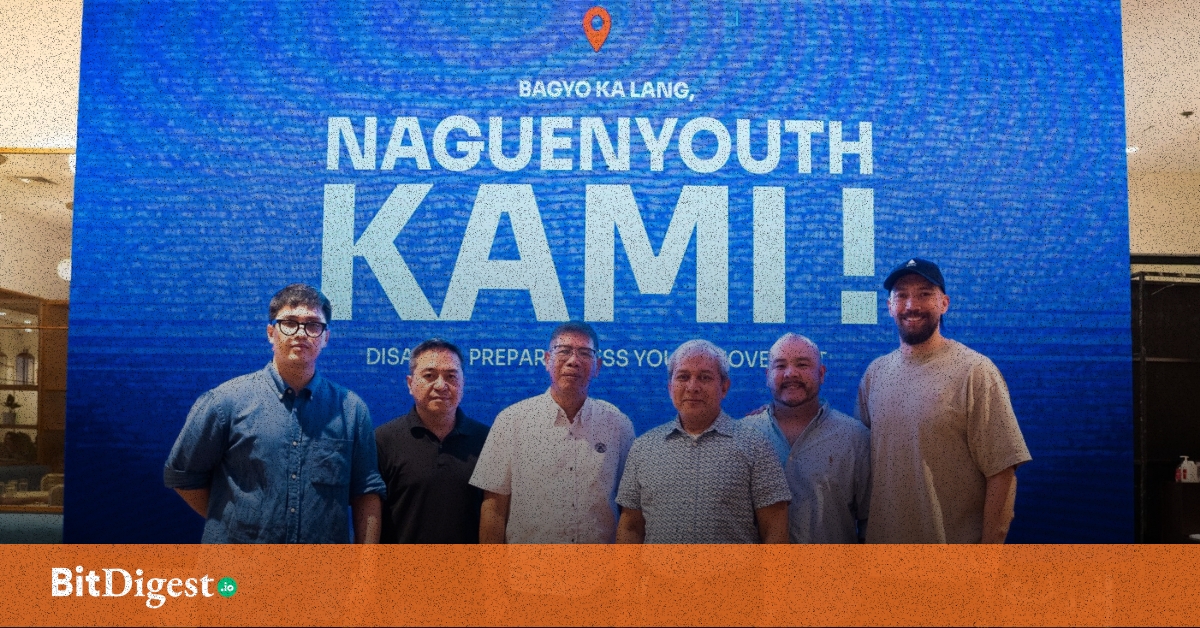
Bagyo.app Launches in Naga City: Youth Leaders and Local Government Unite for AI and Blockchain-Powered Disaster Resilience

NAGA CITY, PHILIPPINES — June 21, 2026 — New Prontera Technologies Corp. (NPC) successfully launched early access for its groundbreaking disaster resilience platform, bagyo.app, last June 18, 2026, at the Summit Hotel in Naga City. The milestone event brought together over 80 incumbent and incoming youth government leaders to experience the future of decentralized disaster preparedness.
Bagyo.app is a real-time disaster intelligence platform powered by the Autonomous Emergency Reporting Intel System (Agent A.E.R.I.S.). The application is designed to aggregate weather data, citizen-sourced distress reports, and AI-verified alerts to support disaster preparedness and emergency response.

Event Highlights and Innovative Gamification
To showcase the platform's capabilities, the NPC team led an interactive, gamified demonstration of the app's reporting features. The youth leaders in attendance created mock emergency reports, with the winners identified securely through their unique "hash" or on-chain transaction IDs; inspired by the NPC team’s extensive experience in hyper-gamification of Web3 products, leading user acquisition for various global blockchain projects.
This live demonstration highlighted the sheer strength of on-chain reporting, advanced data privacy protection, and the promising potential of Zero-Knowledge (ZK) proof technology in safeguarding citizen identities while maintaining verifiable public records during calamities.

Keynote Speakers
The launch featured insightful addresses from key local figures championing digital innovation and youth empowerment:
- Atty. Angel Ojastro III: Chief Legal Counsel of the Local Government Unit of Naga City
- Hon. Jefson Romeo B. Felix: City Councilor and President of the SK Federation of Naga City
- Hon. Illiad Kishi Nicole D. Chavez: City Youth Councilor, Naga City
- Hon. Shinri J. Relucano: SK Chairperson, Brgy. Abella

Forging a Youth-Led Disaster Resilience Network
The event's culmination was the formal signing of a Memorandum of Understanding (MOU) for youth-led disaster resilience collaboration. The agreement was signed by NPC Chief Executive Officer Jared Dillinger and SK Federation President Hon. Jefson Romeo B. Felix, alongside the SK Chairpersons representing all twenty-seven (27) barangays of Naga City.
Through this MOU, the youth leaders will serve as on-the-ground community correspondents. They are tasked with actively using bagyo.app, submitting timely distress pings during emergencies, and promoting the platform's use among their constituents. All platform access, training, and support are provided by NPC entirely free of charge to the SK Federation.

Looking Ahead: Strategic Government Integration
IMPORTANT: New Prontera Corp. is in the application process for the second documentation track, which can potentially lead to an official partnership with Naga City, the ANINAG COUNCIL (Advanced Naga for Innovation and Good Governance Council), and the MyNaga App.
As the city government's central coordinating, policy, and advisory body for digital transformation, the ANINAG COUNCIL can assist integrating the Bagyo.app and Agent A.E.R.I.S. platforms into the city's existing infrastructure if deemed fit. This ongoing collaboration will further study the technology to safeguard citizens through robust data privacy, strict adherence to legal procedures, and the promotion of good governance.
.svg) SHARE TO FACEBOOK
SHARE TO FACEBOOK SHARE TO TWITTER/X
 SHARE TO LINKEDIN
 SEND TO MAIL

.svg)


.svg)