.svg)

.svg)
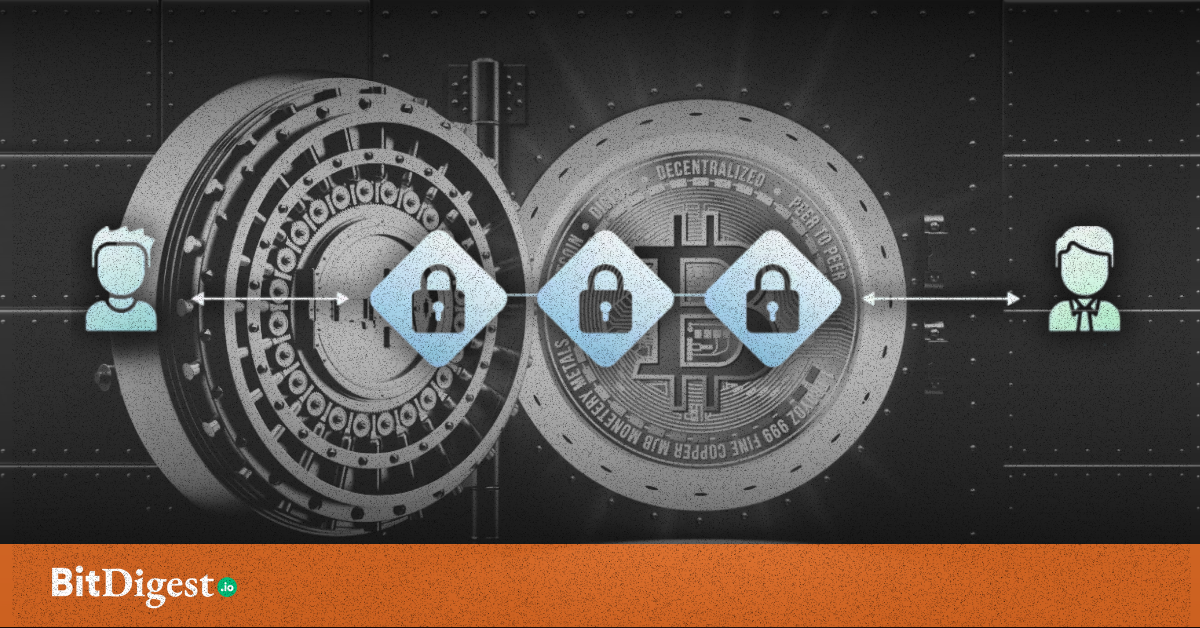
How CeDeFi Revolutionizes On-chain Access

In recent years, decentralized finance (DeFi) has opened the door to a new era of financial autonomy where users can lend, trade, and earn without intermediaries. But for many, especially those just entering the space, DeFi can feel more like a maze than a gateway. Complex interfaces, gas fees, risky protocols, and unfamiliar wallet setups make for an intimidating experience. Despite its promise, DeFi remains inaccessible to a large portion of everyday users.
This is where CeDeFi—a fusion of centralized and decentralized finance—offers a promising middle ground. It brings together the user experience and reliability of centralized platforms with the transparency and control of on-chain systems.
A Glimpse at CeDeFi in Practice
One prominent example is the recent rollout by global exchange OKX. Within its existing app, the platform now allows users to tap into decentralized exchanges (DEXs) across multiple blockchain ecosystems, including Solana and Base. Rather than requiring users to switch apps or manage third-party wallets, OKX integrates these features directly into its interface.
Assets remain in self-custody wallets, but the setup is guided, making it easier for first-timers to navigate. This approach aims to streamline the transition into DeFi without compromising user ownership or safety; effectively removing many of the operational and technical hurdles that keep users on the sidelines.
Why DeFi’s Promise Still Feels Out of Reach
The potential of DeFi lies in its openness and flexibility. It allows anyone to transact, borrow, and invest without needing permission from a central entity. However, the practical challenges are real.
Users often need to install unfamiliar wallets, manage secret recovery phrases, and understand network-specific gas fees. A single mistake—like interacting with a fraudulent contract or sending funds to the wrong address—can result in irreversible losses. With no centralized support team to contact, many users opt to avoid DeFi altogether, sticking with platforms they perceive as safer and easier to use.
In countries like the Philippines, where crypto adoption is on the rise and financial inclusion remains a work in progress, DeFi holds enormous promise. It could help unbanked individuals access financial tools previously out of reach. But diving straight into decentralized platforms without adequate guidance can backfire, leaving users vulnerable or overwhelmed.
CeDeFi presents an on-ramp that’s more manageable. It offers a way to explore decentralized tools without the steep learning curve. For users transitioning from traditional or centralized finance, having a single interface that blends custodial security with on-chain access lowers both the psychological and operational barriers.
Rather than forcing users to choose between two extremes, CeDeFi creates a layered experience: one that starts with usability and gradually opens doors to deeper financial sovereignty.
Still, Trust Must Be Earned
While CeDeFi simplifies access, it doesn’t erase all the concerns. There remains a level of centralization in how these platforms guide users, manage liquidity routing, or shape available features. Transparency, open audits, and user control over data and assets remain essential.
Responsible CeDeFi platforms must be held to high standards—offering not just functionality, but also clarity on how wallets are managed, how protocols are selected, and how user risk is minimized.
Ultimately, making DeFi more accessible isn’t just a technical upgrade, but a necessary shift to make digital finance inclusive and practical. For new users, especially in high-growth crypto regions, CeDeFi can serve as both a stepping stone and a safety net.
As the industry evolves, the real success of DeFi may not be measured by how decentralized it can get, but by how many people it can responsibly bring along.
.svg) SHARE TO FACEBOOK
SHARE TO FACEBOOK SHARE TO TWITTER/X
 SHARE TO LINKEDIN
 SEND TO MAIL





.svg)


.svg)