.svg)

.svg)
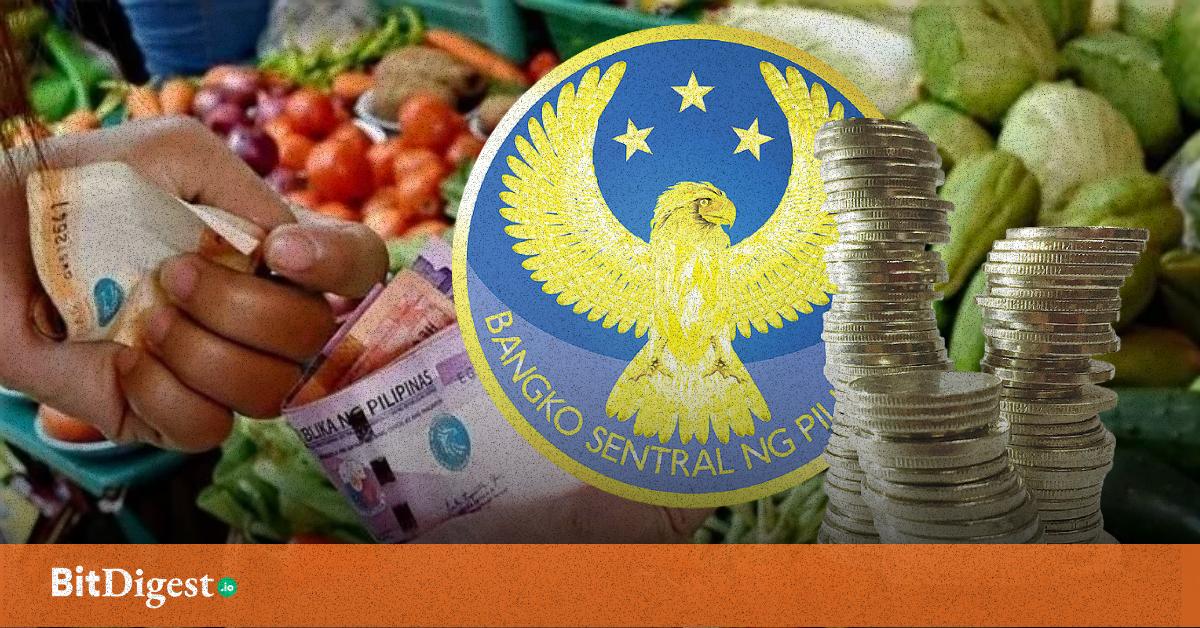
Peso outlook hinges on global risks, central bank signals, and commodity prices as households brace for mixed effects

The peso’s recent slide toward record lows has drawn public attention to factors that could influence the currency in the coming weeks. Analysts say that while day-to-day FX movements reflect trading flows, the broader trajectory will depend on external risks, domestic policy signals, and commodity price trends that shape inflation and household purchasing power.
Several global developments stand out. U.S. tariff announcements could alter investor sentiment and trade expectations, strengthening the dollar as investors seek safer assets during geopolitical uncertainty. This dynamic intensifies when tensions involve major commodity suppliers, pushing oil prices higher and worsening terms of trade for fuel-importing economies such as the Philippines.
U.S. monetary policy remains another driver. Elevated Federal Reserve interest rates continue to make dollar deposits and bonds attractive relative to emerging market assets, especially after the Bangko Sentral ng Pilipinas (BSP) cut rates in 2025. Higher U.S. yields widen rate differentials and reinforce demand for dollars, which analysts say helps explain persistent peso weakness even as domestic inflation improves.
BSP policy signals will also matter. The central bank has indicated it will intervene in foreign exchange markets only to smooth “excessive volatility” and not to defend specific exchange rate levels. Upcoming inflation prints and Monetary Board meetings may show how long the BSP is willing to pause after last year’s easing cycle, and whether inflationary risks from imported commodities could limit room for additional cuts.
Commodity markets represent another important channel. Oil prices influence transport, electricity and logistics costs, and higher agricultural input prices can feed into food inflation — a major component of household spending. The Philippines imports almost all of its crude oil and key food inputs, making the peso sensitive to commodity shocks and dollar strength.
A weaker peso translates into a mixed set of effects for households and businesses. On the cost side, depreciation tends to raise prices for fuel, utilities, imported food products, medicines, electronics, vehicles and spare parts. Businesses in transport, retail and manufacturing face higher operating expenses as imported inputs become more expensive, and inflation can spill over through logistics and distribution costs.
But the Philippine context includes stabilizers. Dollar-denominated remittances from overseas workers convert into more pesos when the currency weakens, supporting consumption and cushioning shocks for millions of households. Exporters may benefit from more competitive pricing abroad, though the advantage varies depending on how much of their production relies on imported inputs. These dynamics help explain why domestic demand has often remained resilient during periods of peso weakness.
Economists note that currency movements are not merely financial headlines; they shape inflation, consumption, and policy trade-offs. For the government, weakness in the peso complicates efforts to keep inflation within target and can influence decisions on targeted subsidies, transport assistance or adjustments in fuel and electricity pricing. For the BSP, the challenge is to manage inflation expectations while maintaining macro stability and avoiding excessive capital outflows.
Analysts said the peso’s near-term direction will depend on how the above factors evolve. A more hawkish Federal Reserve, renewed tariff tensions or higher oil prices could strengthen the dollar further, while dovish U.S. policy signals or easing geopolitical risks could relieve pressure. The BSP’s communication strategy and inflation readings will shape domestic expectations, and traders said they expect the peso to trade within a broad range depending on developments abroad.
Understanding these catalysts helps explain why currency weakness in the Philippines produces both pressure and resilience: costs rise through imported inflation, but remittances and export earnings provide counterweights that sustain consumption and mitigate the impact on the broader economy.
.svg) SHARE TO FACEBOOK
SHARE TO FACEBOOK SHARE TO TWITTER/X
 SHARE TO LINKEDIN
 SEND TO MAIL





.svg)


.svg)