.svg)

.svg)
PH Government Opens Probe Into Possible Oil Industry Collusion

The Philippine government has moved to investigate possible anti-competitive behavior in the oil industry, as concerns mount over sharp and seemingly synchronized fuel price increases across companies.
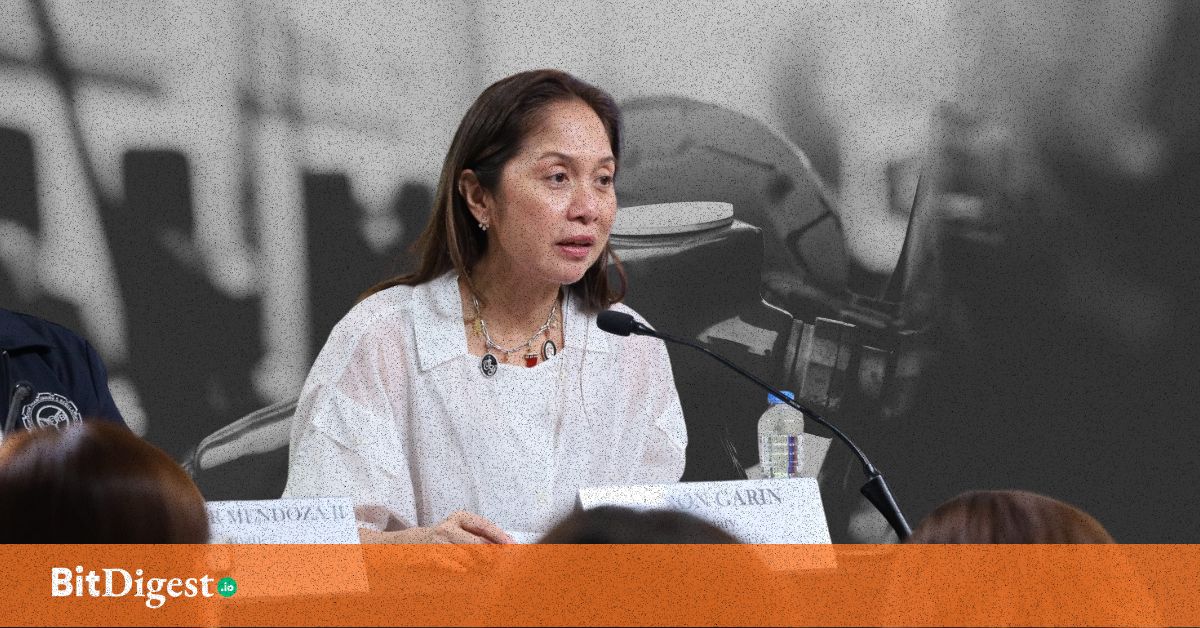
The Department of Energy (DOE), led by Secretary Sharon Garin, confirmed it has formally coordinated with the Philippine Competition Commission (PCC) to examine whether oil firms may have engaged in collusion or “cartel-like” practices. The development follows reporting by GMA Network, which cited government briefings outlining the scope of the inquiry.
Government Questions “Synchronized” Price Hikes
At a Malacañang briefing on April 10, Garin raised concerns over whether oil companies may be coordinating their weekly adjustments. She confirmed that the DOE has already sent a formal request to the PCC and is prepared to share relevant market data to support the review. As of now no specific companies have been named, no findings of wrongdoing have been announced, and the probe remains in the fact-finding stage.
The investigation comes amid sustained volatility in global oil markets following escalating conflict in the Middle East. Philippines, which imports around 90% of its petroleum supply, has been particularly exposed. In recent weeks, diesel, gasoline, and kerosene prices have surged through consecutive increases—fueling public frustration and raising questions about pricing behavior.
While global benchmarks largely drive local prices, the near-uniform timing of adjustments across firms has drawn scrutiny.
Limits of Government Power
At the center of the issue is the country’s deregulated oil market. Under the Downstream Oil Industry Deregulation Act of 1998, the government does not set fuel prices. Instead, prices are determined by market forces, with the DOE limited to monitoring and enforcement after the fact.
Garin acknowledged these constraints, noting that while the government can investigate and flag irregularities, it cannot directly intervene in pricing under current rules. She has since called for a review of the law, proposing a “hybrid” approach that would preserve competition while allowing temporary intervention during crises.
Role of the Competition Watchdog
The PCC, the country’s primary antitrust authority, has signaled readiness to act if evidence of collusion emerges. While it does not regulate prices, the agency can investigate and penalize anti-competitive practices under the Philippine Competition Act. Its collaboration with the DOE marks a more coordinated regulatory response as pressure builds on the energy sector.
For now, the government is focused on gathering pricing and market data, monitoring oil firms and retail stations, and preventing hoarding or profiteering. Officials have ruled out more drastic measures such as fuel rationing or state takeover of oil companies, citing operational limitations. A modest rollback in prices is expected in the coming week, but this does little to address broader concerns about market behavior.
The probe underscores a deeper tension in the Philippines’ energy system: a fully liberalized market operating under crisis conditions, with limited tools for immediate intervention. Whether the investigation uncovers wrongdoing or not, it has already reignited a long-standing debate—how to balance free-market pricing with consumer protection in a country heavily dependent on imported fuel.
.svg) SHARE TO FACEBOOK
SHARE TO FACEBOOK SHARE TO TWITTER/X
 SHARE TO LINKEDIN
 SEND TO MAIL


.svg)


.svg)