.svg)

.svg)
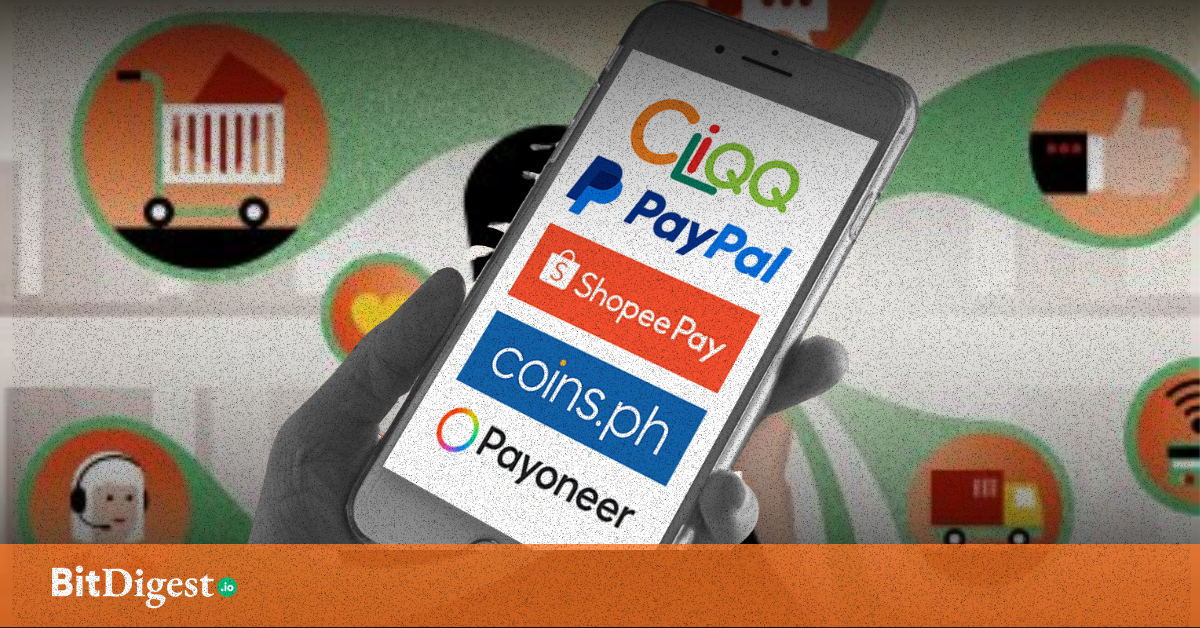
The Hidden Costs of Convenience: How E-Wallets Shape Spending, Data, and Power

Buying lunch, paying bills, sending money to a friend, for millions of Filipinos, these now require just a few taps. E-wallets like GCash, Maya, and ShopeePay have embedded themselves into everyday life. As of 2025, over half of all retail payments in the country are digital, according to the Bangko Sentral ng Pilipinas. The shift was faster than expected, and the benefits are clear: less friction, more convenience, and improved access.
But behind this ease lies a quiet trade-off. Digital wallets may save time, but they also encourage behaviors and systems that affect how we spend, how our data is used, and who profits most from our digital lives.
Swipe Now, Regret Later? Why Seamless Spending Adds Up
Psychologically, paying with cash is harder, it forces us to feel the loss. With e-wallets, that sensation fades. The transaction is smooth, abstract, even invisible. Behavioral economists have long studied this “pain of paying” and found that digital payments consistently lead to higher spending, especially in fast-paced environments like online shopping or transport apps.
In the Philippines, this pattern plays out daily. E-wallets often bundle incentives like cashback, QR discounts, or “Buy Now Pay Later” features. While helpful for some, they can nudge users into purchases they wouldn’t make with cash in hand. Financial tracking tools exist within many apps, but their usage remains low, particularly among young users. When spending feels effortless, discipline becomes optional, and that’s where problems start.
Your Wallet Is Talking and Someone’s Listening
Every tap, scan, and payment leaves a data trail. E-wallets log where you spend, how much, how often, and sometimes even what for. Over time, this builds a behavioral profile, a valuable asset for marketers, credit assessors, and app developers.
The vast majority of users accept terms and conditions without reading them. Yet these agreements often allow platforms to share user data with partners or affiliates. While legal and industry-standard, the implications are rarely explained in simple terms. The average user doesn’t realize just how much insight they’re giving away.
In practice, this means your financial life can be monetized, not in ways that harm you directly, but in ways that remove control. The personalization of the platform may make it more useful, but it also consolidates power in the hands of those who understand and profit from data.
Credit and Convenience: A Slippery Slope
What began as simple payment tools now offer credit lines, microloans, and deferred payment schemes. These features are advertised for flexibility, but they also introduce new risks. Credit, especially small, accessible, and unregulated credit can lead to silent debt accumulation.
For many users, especially in lower-income or first-time borrower brackets, the difference between convenience and liability is blurry. Without a clear understanding of interest rates, due dates, or penalties, the danger lies in financial strain masked as empowerment. The smoother the interface, the easier it is to overlook the fine print, and the harder it is to pull back once overspending begins.
The BSP’s digital payments roadmap has delivered on accessibility. But user protection, especially for first-time and low-literacy digital users, still requires stronger measures. There are no standard disclosures across platforms about how data is used or how credit risks are explained.
As platforms grow more powerful, the regulatory gap grows more visible. Consent is still largely passive. Consumer awareness is assumed, not built. And transparency is often buried in technical language few users can navigate.
Reclaiming Control in a Cashless Age
E-wallets are here to stay. But that doesn’t mean their influence should go unexamined. The first step is awareness: understanding how digital tools are designed to shape behavior. The second is action: setting personal boundaries and developing habits that reinforce control.
This means treating credit features with caution, checking expense summaries regularly, questioning promotional nudges, and reading—even partially—what you agree to when using financial apps. Control isn’t about resisting convenience. It’s about choosing when to follow the prompt, and when to pause.
The true cost of convenience isn’t just financial, it’s behavioral, systemic, and often hidden in plain sight. As e-wallets become the new normal, users must ask not just how easy it is to spend, but who benefits when we do.
Because in the digital economy, ease is power, and awareness is how we take some of it back.
.svg) SHARE TO FACEBOOK
SHARE TO FACEBOOK SHARE TO TWITTER/X
 SHARE TO LINKEDIN
 SEND TO MAIL


.svg)


.svg)