.svg)

.svg)
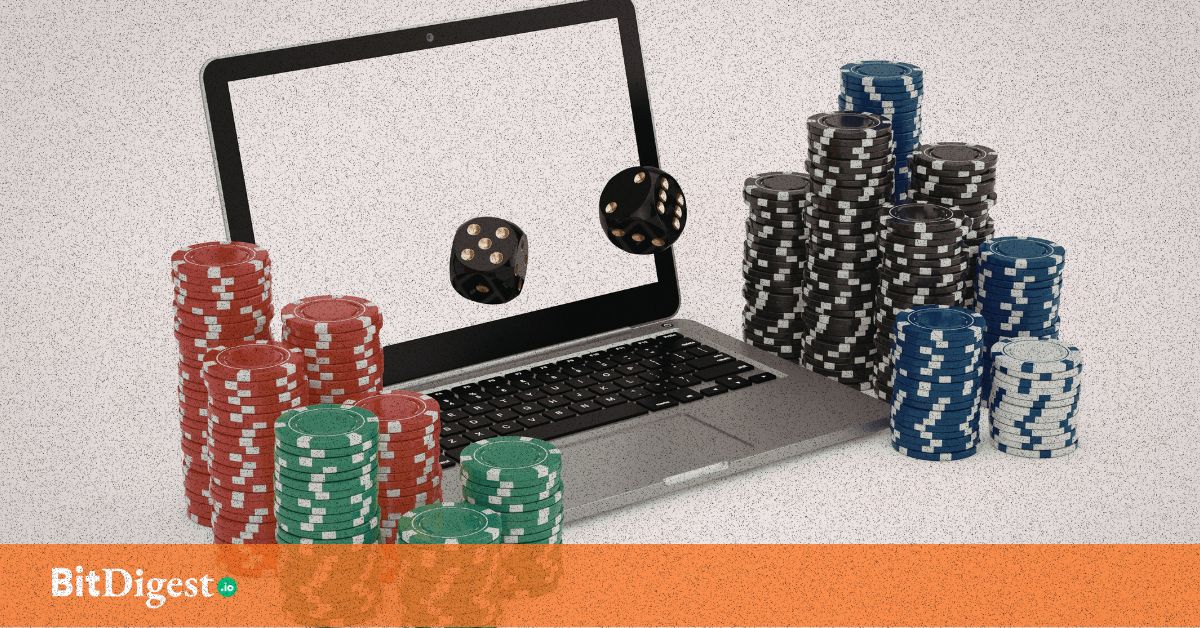
GCash Blocks 3,200+ Merchants in Crackdown on Gambling and QR Scams

The Philippines’ largest mobile wallet has intensified its fight against digital fraud, blocking thousands of accounts linked to illegal activities. In coordinated action with government agencies, GCash has suspended more than 3,200 merchants associated with illegal online gambling and scam operations. The move, announced in mid-March 2026 reports, forms part of an ongoing crackdown that began in 2025 to protect users and safeguard the country’s fast-growing digital payments ecosystem.
Coordinated Government Crackdown
The operation was carried out in collaboration with the Cybercrime Investigation and Coordinating Center (CICC) and the Philippine National Police Anti-Cybercrime Group, with oversight from the Bangko Sentral ng Pilipinas through the national QRPh payment system. Authorities have been ramping up enforcement as digital financial services expand rapidly across the country, making them both essential tools and potential targets for abuse.
Investigations found that many of the blocked merchants were exploiting QR-based payments and mobile wallet features to deceive users. Common tactics included QR code masking—where a code appears legitimate but redirects payments to unauthorized accounts—as well as fake GCash payment pages designed to mimic real businesses. Some schemes also funneled users into illegal online gambling platforms, often disguised as normal transactions. These methods rely heavily on user trust and speed, making them particularly effective if safeguards are not in place.
Scale of the Problem
The crackdown comes amid a surge in complaints tied to online gambling and digital scams. The CICC reported nearly 1,900 related complaints in just the first quarter of 2026, highlighting how quickly such schemes have spread. By disabling merchant accounts and associated QRPh links, GCash aims to cut off the financial channels that enable these operations, rather than just reacting after losses occur.
Protecting Trust in Digital Payments
GCash emphasized that proactive monitoring and enforcement are critical to maintaining user confidence. According to its security leadership, blocking unauthorized actors and reporting them to authorities helps ensure that digital payments remain safe and reliable for everyday use; from small vendors to large transactions. This is especially important in the Philippines, where mobile wallets have become deeply embedded in daily life, from transport and retail to bills and remittances.
What Users Should Watch Out For
Authorities are urging users to stay vigilant as scammers continue to evolve their tactics. Consumers are advised to avoid scanning QR codes from unknown sources, verify merchant details before confirming payments, and never share sensitive information such as MPINs or one-time passwords. Suspicious activity should be reported immediately through official GCash and government hotlines.
The mass blocking of over 3,200 merchants signals a shift toward more aggressive, system-level enforcement in the Philippines’ digital finance space. Rather than treating scams as isolated incidents, regulators and platforms are increasingly targeting the infrastructure behind them. As digital adoption grows, this approach may become the standard for keeping financial ecosystems secure, balancing innovation with user protection.
.svg) SHARE TO FACEBOOK
SHARE TO FACEBOOK SHARE TO TWITTER/X
 SHARE TO LINKEDIN
 SEND TO MAIL


.svg)


.svg)