.svg)

.svg)
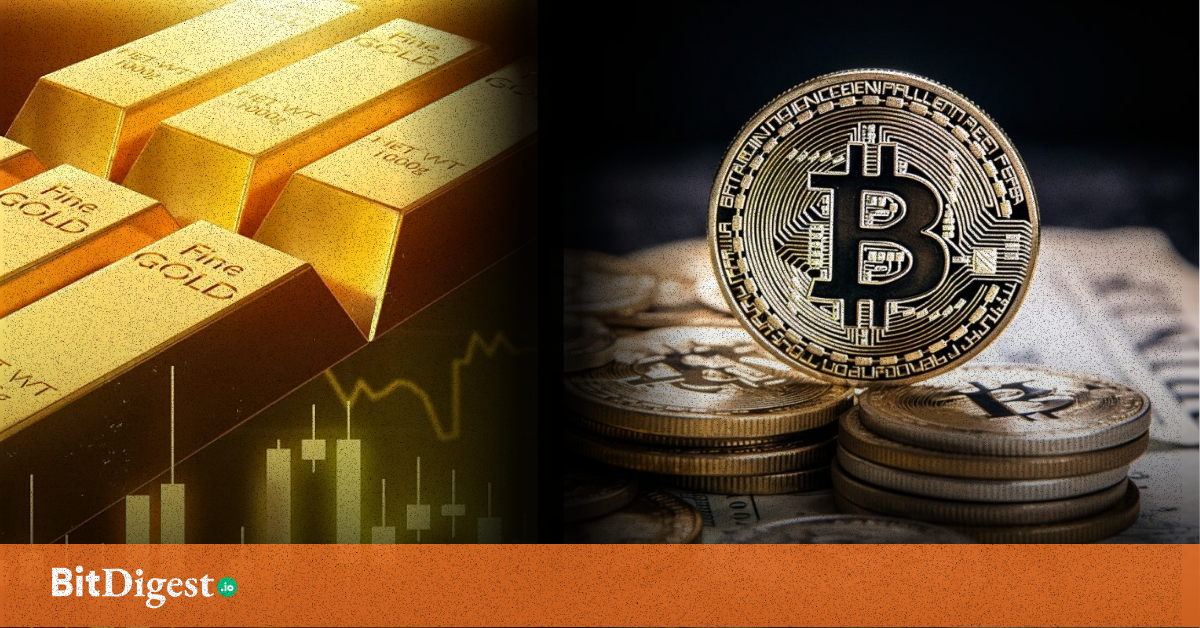
Gold pushes to fresh record highs above $4,840 as geopolitical risk drives safe-haven flows

Gold surged to fresh all-time nominal highs above $4,840 per ounce in recent sessions, extending a multi-month rally that traders attributed to safe-haven flows, a weaker U.S. dollar, and heightened geopolitical uncertainty. The gains continued strong upward momentum from late 2025 through January 2026.
Spot bullion strengthened on Monday and Tuesday, setting new records on major benchmarks as demand firmed across both futures and spot markets. Commodities desks described the move as a “risk-off rotation,” coinciding with declines in global equity indices and volatility in currency markets.
Safe-haven demand intensifies
Market participants pointed to rising geopolitical tensions as a primary catalyst behind the rally. Friction between the United States and Europe over Greenland, alongside renewed trade concerns and broader geopolitical instability, increased defensive positioning in portfolios.
Desk commentary indicated that investors favored gold as a hedge against potential escalation and uncertainty, with bullion benefiting from its liquidity, global fungibility, and insulation from sanctions or jurisdictional risk.
Dollar weakness supports buying interest
The rally was amplified by weakness in the U.S. dollar, which made dollar-denominated gold more attractive to foreign buyers. FX desks flagged declines in the greenback against major Asian and European currencies during the week, citing reduced demand for U.S. assets and shifting expectations around monetary policy.
A softer dollar tends to support bullion by lowering the currency cost for overseas investors and reinforcing safe-haven flows during periods of uncertainty.
Rates stable, geopolitical premium drives move
Traders emphasized that the latest push did not rely primarily on falling U.S. real yields—often a key driver of gold during easing cycles. Real yields were viewed as broadly range-bound during the period, indicating that bullion strength was driven more by geopolitics and currency dynamics than by rate-beta effects.
Analysts noted that the driver mix differed from earlier cycles in which gold closely tracked Treasury markets, suggesting a shift toward geopolitical premium as the dominant factor.
Broader risk markets under pressure
The breakout in gold coincided with declines in global equities, with major indices retreating on risk-off sentiment. Desk color pointed to weaker appetite for emerging-market assets and a pullback in commodity-linked currencies, contributing to a defensive posture across portfolios.
Futures market volumes increased during the move, reflecting heavier institutional participation as gold breached new levels.
Precious metals complex confirms strength
The rally extended across the precious metals complex. Silver reached record highs near $95 per ounce, confirming bullish tone across the sector, while platinum and palladium also gained, though neither approached record territory. Cross-metal dispersion reflected differing industrial demand profiles.
Historical context and performance
Bullion’s latest highs represent a sharp increase from early 2025 levels near $2,600 per ounce, more than doubling in less than 18 months. The speed of the move has invited comparison with past historical rallies, though analysts said the current episode reflects a broader set of geopolitical and macroeconomic catalysts.
Portfolio allocation effects
Institutional allocators continued to add gold exposure through exchange-traded products, futures, and direct allocation. Wealth managers and private banks reported elevated client interest in bullion as a hedge against currency volatility and geopolitical instability. Allocators were also drawn to gold’s ability to cushion drawdowns during equity corrections.
Outlook and positioning
Desk positioning suggested constructive sentiment in the near term, with some traders monitoring the $5,000 per ouncelevel as a potential psychological marker if geopolitical tensions persist and dollar softness extends. However, analysts noted that reversals in the dollar or stabilization in risk sentiment could temper bullion’s upward trajectory.
For now, gold continues to benefit from a confluence of safe-haven flows, FX dynamics, and defensive portfolio positioning—conditions that have historically supported elevated prices during periods of global uncertainty.
Economists said sustained strength in bullion could indirectly influence inflation dynamics in Asia through commodity co-moves and currency channels, even though gold itself is not part of most CPI baskets.
In the Philippines, research desks have framed the gold rally as part of a broader risk-off macro backdrop coinciding with peso weakness against the U.S. dollar. A weaker peso raises the local-currency cost of imported fuel and food inputs, categories that carry substantial weights in the Philippine CPI index.
Analysts noted that the primary transmission channel is currency pass-through, rather than bullion pricing, and that prolonged dollar strength could complicate monetary policy for emerging markets in Asia, including the Bangko Sentral ng Pilipinas, by tightening imported inflation pressure while growth indicators remain uneven.
.svg) SHARE TO FACEBOOK
SHARE TO FACEBOOK SHARE TO TWITTER/X
 SHARE TO LINKEDIN
 SEND TO MAIL





.svg)


.svg)