.svg)

.svg)
How is Philippines Doing in the Middle of a Global Oil Crisis

Global oil flows and prices continues to tighten and surge amid the ongoing conflict in the Middle East, few countries are as exposed as the Philippines. Nearly all of its fuel is imported, with a large share tied—directly or indirectly—to a single chokepoint now under pressure: the Strait of Hormuz, where roughly 20% of the world’s oil supply normally passes.What could have escalated into a full-blown supply crisis is, for now, being contained. Philippines has already made various responses, but the more pressing question is how long these responses can hold.
The Philippines entered this crisis with limited buffer. Pre-crisis fuel reserves were estimated at just 45 to 60 days. At the same time, global shipments began to falter as tensions escalated and access through Hormuz became increasingly restricted. For an economy that imports up to 98% of its crude oil, the margin for error is narrow. Disruptions are not gradual, and has actually quickly cascaded into transport costs, food prices, and household expenses.
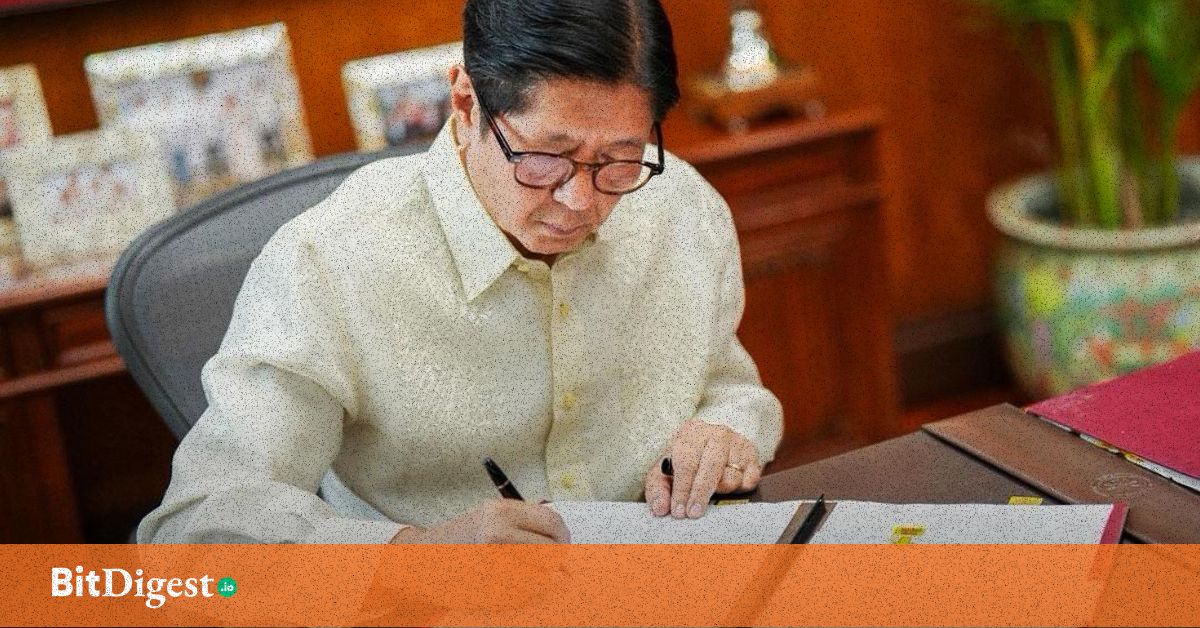
On March 24, the government declared a national energy emergency, unlocking funds, streamlining procurement, and activating a whole-of-government response. More than ₱20 billion was mobilized to stabilize supply and extend fuel buffers.
Keeping the Supply Line Alive
Philippines government measures revolve around a three-part strategy: secure supply, secure access, and diversify sources.The first move came through coordination with Washington, allowing the Philippines to tap into sanctioned oil markets under temporary waivers. This reopened access to Russian crude; something not seen in years. Within weeks, shipments were secured, with deliveries already arriving through local refiners.
The second, and arguably most critical, move was diplomatic. Through direct engagement, the Philippines secured assurances from Iran for the safe and unimpeded passage of its vessels, energy shipments, and seafarers through the Strait of Hormuz.
In a region where access is increasingly conditional, this effectively preserved a vital corridor.
The third layer is hedging. While maintaining its alliance with the United States, Manila has kept economic channels open with China and is exploring alternative suppliers across Asia and beyond.
Why It’s Working For Now
So far, the approach has achieved its immediate goal by avoiding a major supply disruption. Because of this, fuel continues to flow. There has been no widespread panic buying. Filipino seafarers—critical to global shipping—remain protected despite heightened tensions in the region. Observers have described the response as “quiet but effective,” highlighting a focus on results rather than visibility. Among those noting this approach is Filipino columnist and historian Manolo Quezon III, who characterized the government’s actions as “solid, quiet, and effective.” His assessment points to a style of crisis management that prioritizes coordination, speed, and discretion—leveraging alliances, longstanding diplomatic relationships, and technical execution rather than public messaging. Still, that success comes with a caveat.
A Breathing Room
The current measures are temporary by nature. Sanctions waivers that enabled alternative sourcing come with fixed timelines. Assurances of safe passage through Hormuz depend on conditions that can change quickly. Meanwhile, global supply remains constrained, and shipping activity in the region has already declined. In short, the Philippines has secured access, but not certainty. Even without a full supply shock, the effects are already visible. Fuel prices have surged, with diesel in some areas exceeding ₱100 per liter. Transport costs have risen, and food prices are beginning to follow. Small businesses and daily wage earners are increasingly under pressure. The crisis is no longer abstract, it is being felt in real time, at the pump, in markets, and across household budgets.
What Comes Next
The coming weeks will be critical. Will sanctions waivers be extended? Will additional shipments arrive in time to rebuild reserves? Will tensions in the Middle East ease, or escalate further? Most of these variables lie beyond the Philippines’ control. The Philippines is not in a position to shape the global energy landscape, but it is actively navigating it, using diplomacy, alliances, and timing to protect its immediate interests. This is not a strategy built on power, but on adaptation. Philippines has, for now, avoided the worst of a global oil disruption through fast execution and carefully calibrated diplomacy, but the situation remains fragile. Supply lines are intact, but exposed. Prices are rising, and may continue to climb. And the window created by these measures could close as quickly as it opened.
.svg) SHARE TO FACEBOOK
SHARE TO FACEBOOK SHARE TO TWITTER/X
 SHARE TO LINKEDIN
 SEND TO MAIL



.svg)


.svg)