.svg)

.svg)
U.S. Eyes Asking Funding for Iran War

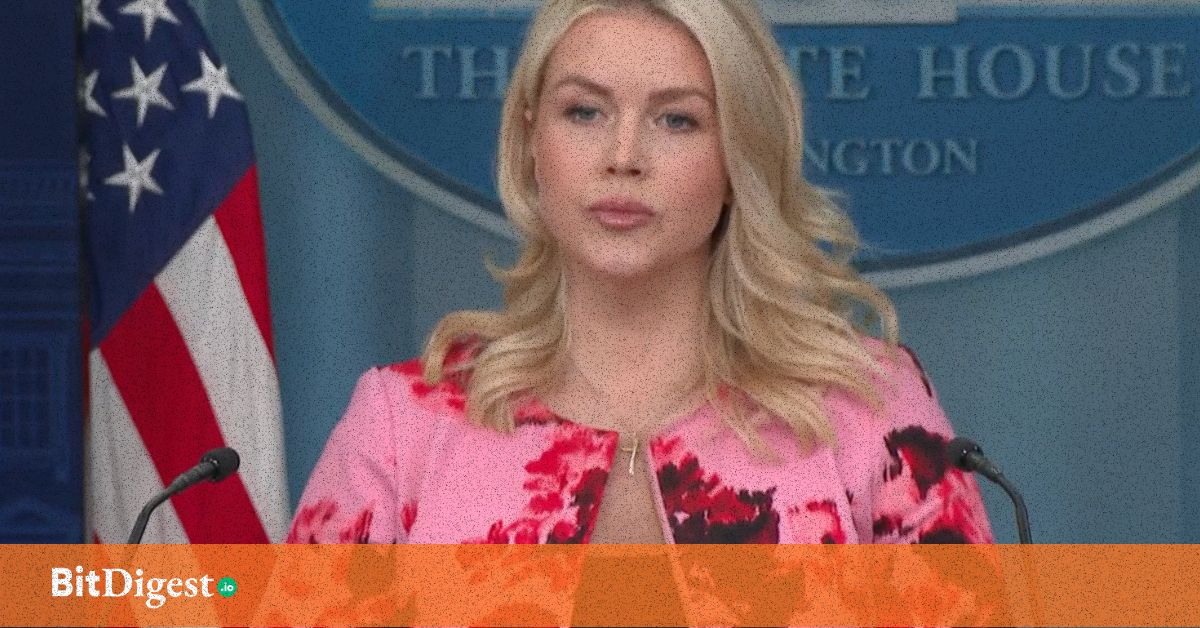
The White House has signaled openness to an idea that is already drawing scrutiny across diplomatic circles: asking Gulf Arab states to help pay for the ongoing U.S.-led military campaign against Iran. Speaking on March 30, Press Secretary Karoline Leavitt said President Donald Trump “would be quite interested” in pursuing financial contributions from countries such as Saudi Arabia, Kuwait, and the United Arab Emirates—reviving a burden-sharing model last seen during the 1991 Gulf War.
A Familiar Idea in a Very Different War
The comparison to 1991 is central to the administration’s framing. During that conflict, Gulf states funded much of the U.S.-led coalition effort after Iraq invaded Kuwait. But the current situation differs significantly. The ongoing campaign against Iran—now about a month in—was initiated by the United States and Israel, not by Gulf governments. That distinction is shaping how the proposal is being received in the region.
Gulf States Already Bearing the Cost
Even without formal participation, Gulf countries are deeply affected by the conflict. Iranian retaliation has included missile and drone activity targeting regional infrastructure, alongside disruptions to shipping through the Strait of Hormuz, a route that carries roughly one-fifth of global oil supply.
The impact has been immediate. Oil exports have slowed, shipping routes have been rerouted, and insurance and freight costs have surged. In some cases, attacks have reached tankers and facilities linked to Gulf economies. In effect, the same countries being discussed as potential financial contributors are already absorbing economic and security fallout from the war.
A Region Caught in the Middle
Gulf governments have taken a mixed approach to the conflict. Some officials reportedly see strategic value in weakening Iran’s military capabilities, while others have expressed concern about escalation and the lack of prior consultation. The result is a delicate balancing act—supporting long-term security interests while managing immediate economic and political risks. This tension is compounded by the presence of U.S. military bases across the region, which can make Gulf states both partners and potential targets.
The proposal raises broader questions about burden-sharing in modern conflicts. From Washington’s perspective, the idea aligns with an “America First” approach that seeks to reduce direct U.S. financial exposure. For Gulf states, however, the optics are more complicated—particularly given that they are already dealing with disrupted revenues, infrastructure risks, and regional instability.
The contrast with 1991 remains stark: then, Gulf states were funding a defense of their own territory; now, they are being asked to contribute to a conflict they did not initiate.
The idea remains preliminary, with no formal framework or agreement announced. The White House has indicated that further statements may follow, while diplomatic engagement behind the scenes continues. At the same time, the broader conflict remains fluid, with ongoing military activity and uncertain prospects for de-escalation.
The suggestion that Gulf states could help finance the Iran war underscores shifting expectations around alliance economics. Whether it gains traction will depend not just on strategy, but on how regional partners weigh cost, risk, and influence in a conflict already reshaping the global energy and security landscape.
.svg) SHARE TO FACEBOOK
SHARE TO FACEBOOK SHARE TO TWITTER/X
 SHARE TO LINKEDIN
 SEND TO MAIL



.svg)


.svg)