.svg)

.svg)
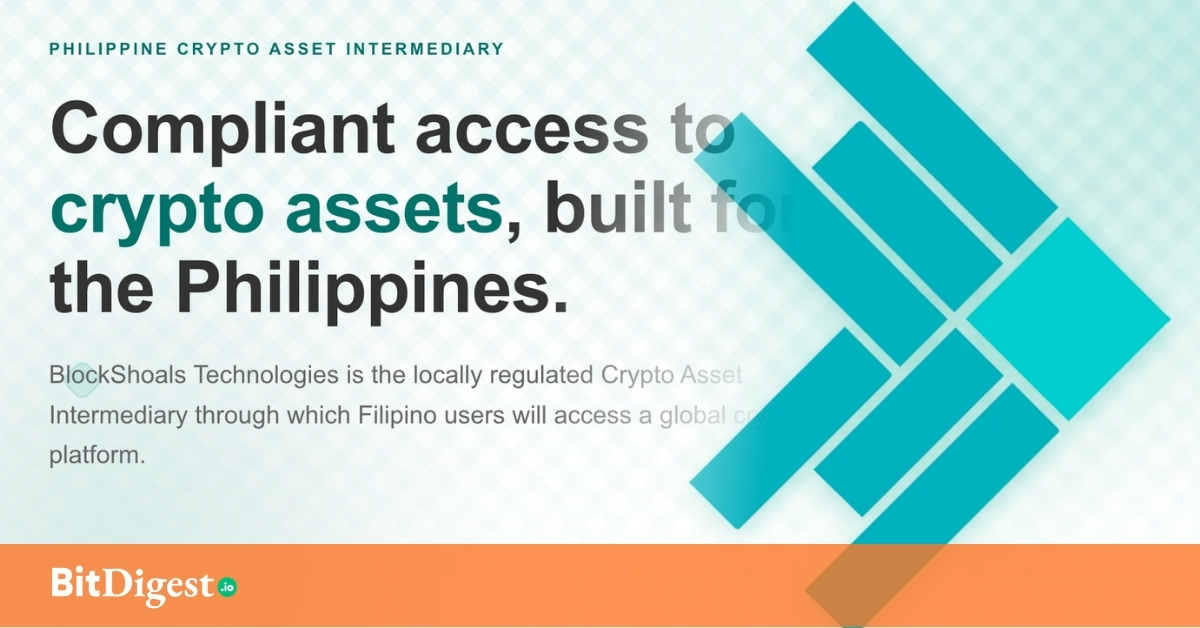
BlockShoals: What Its SEC StartBox Efforts Mean for Filipino Crypto Users

For Filipino crypto users, the more important question surrounding Binance’s return to the Philippines is not simply whether the global exchange is coming back. It is how its proposed local operation is being built.
At the center of that process is BlockShoals Technologies Inc., a Philippine-incorporated Crypto Asset Intermediary participating in the Securities and Exchange Commission’s Strategic Sandbox, or StratBox, alongside Binance.
Under the arrangement, BlockShoals is the local entity responsible for the Philippine side of the operation, while Binance provides technology, security and operational support. Since receiving its in-principle approval for the sandbox, BlockShoals has been working through requirements involving the SEC, the Bangko Sentral ng Pilipinas (BSP) and other Philippine financial institutions.
Those efforts include securing a Notice to Proceed, coordinating with the BSP on its fiat-rail requirements, selecting a BSP-accredited Virtual Asset Service Provider for integration, registering with the Anti-Money Laundering Council (AMLC), and joining the country’s fintech industry network.
For users, the significance of those developments lies in what they reveal about the proposed operating model: Binance’s Philippine return is being built around a local intermediary and a process of regulatory testing rather than an immediate commercial rollout.
BlockShoals’ Role in the Proposed Binance Setup
BlockShoals’ role is to function Binance’s Philippine-incorporated Crypto Asset Intermediary participating in the SEC’s Strategic Sandbox, while Binance provides the technology and operational infrastructure supporting the proposed service.
That division gives the SEC a local entity through which the operating model can be tested and assessed.
BlockShoals’ involvement dates back to its in-principle approval for the sandbox around November 2025, followed by a Notice to Proceed dated April 14, 2026. The companies publicly announced their partnership on May 26.
The sandbox framework covers the testing of crypto-asset activities under SEC supervision, with requirements around safeguards, reporting and evaluation before the SEC determines the appropriate regulatory treatment.
This makes BlockShoals’ role central to the proposed local structure. The company is not simply providing access to Binance from the Philippines. It is the entity through which the Philippine components of the model are being established and tested.
The StratBox Is Where That Model Gets Tested
The SEC’s Strategic Sandbox gives regulators a mechanism for examining new financial technologies under controlled conditions.
Instead of determining the final regulatory treatment solely from a product description, the SEC can observe how the proposed model operates, examine its risks and review the results of testing.
That is particularly relevant for crypto-asset services, where technology, trading activity, custody, payments and consumer protection can intersect across different regulatory frameworks.
SEC Chairperson Francis Lim has emphasized that the regulator’s approach is neither to automatically approve an innovation because it is new nor reject it because it is unfamiliar. The objective is to test, examine the resulting data and determine what regulation is appropriate.
For BlockShoals, that means sandbox participation provides the framework for demonstrating how its proposed Binance-linked operation works under Philippine oversight.
The Work Behind the Sandbox
BlockShoals’ progress can be measured by the regulatory requirements it has been working through since entering the framework.
One of the most significant is the integration with a BSP-accredited VASP.
The SEC-approved testing plan requires BlockShoals to work with a BSP-accredited VASP for peso-related transactions, including the fiat component of the proposed operation.
BlockShoals began coordinating with the SEC and the BSP’s Technology Risk and Innovation Supervision Department in May. In June, it announced that it had selected a BSP-accredited VASP partner, with due diligence and subsequent technical integration to follow.
The identity of that partner had not been publicly disclosed in the latest available updates, pending the completion of the relevant reviews.
This is an important part of the structure because crypto-asset activities and peso payment rails fall under different regulatory mandates.
The SEC’s sandbox governs the testing of the crypto-asset intermediary model, while the BSP’s framework applies to the relevant payment and fiat-related activities.
The proposed integration therefore addresses one of the practical requirements for connecting a crypto-asset platform to Philippine peso rails.
Compliance Extends Beyond the SEC
BlockShoals has also taken steps outside the sandbox itself. In July, the company confirmed its registration with the Anti-Money Laundering Council as a covered person under the Anti-Money Laundering Act.
That registration brings obligations involving customer due diligence, transaction monitoring, record-keeping and reporting.
For a crypto-asset intermediary, those requirements are directly relevant to how customers are onboarded and how transactions are monitored.
The development also adds another institution to the regulatory framework surrounding BlockShoals’ proposed operation: the SEC oversees its sandbox participation, the BSP is involved in the payment and fiat components, and the AMLC framework covers applicable anti-money-laundering obligations.
Taken together, these requirements show that the proposed operation is being constructed across several existing Philippine regulatory regimes rather than through the sandbox alone.
BlockShoals Is Also Establishing a Local Industry Presence
The company’s activities have extended into the Philippine fintech and blockchain ecosystem.
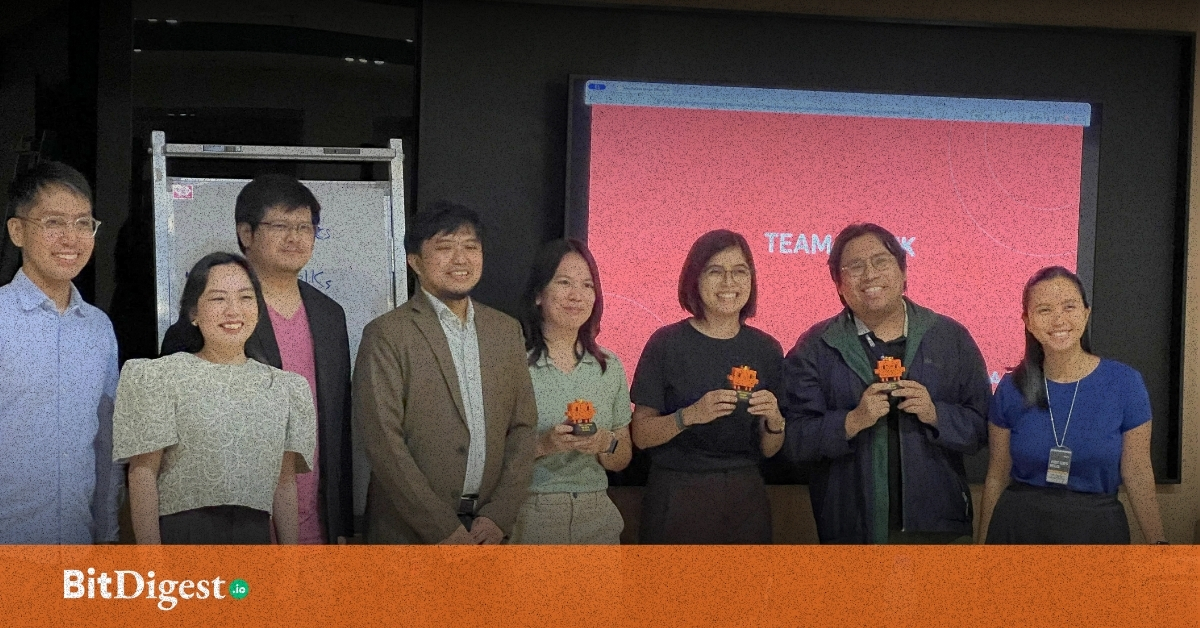
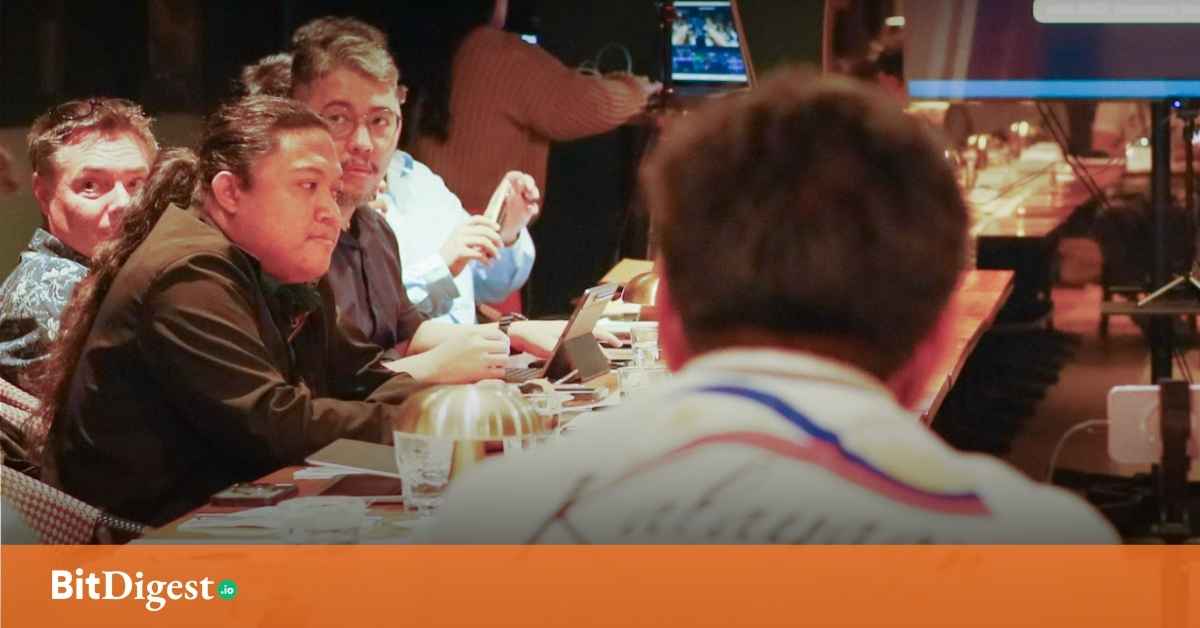
BlockShoals participated in Philippine Blockchain Week in June in a forum focused on trust, access and innovation in regulated digital-asset markets, alongside representatives from Binance, the SEC’s PhiliFintech Innovation Office and FinTech Alliance Philippines.
It also hosted Binance founder Changpeng Zhao in Manila in June for discussions involving digital-asset leaders and Philippine government officials.
In July and early August, BlockShoals joined FinTech Alliance PH, while Binance appointed Jen Bilango as its Philippines general manager to support its local operations.
These developments do not determine the SEC’s eventual regulatory decision. They do, however, show that the companies are building the proposed operation through local regulatory and industry relationships.
What Users Can Actually Verify So Far
For Filipino users trying to understand where BlockShoals stands, several concrete developments can already be verified.
A Philippine-incorporated intermediary: BlockShoals is the local CAI participating in the SEC’s Strategic Sandbox.
SEC-supervised testing: Its proposed Binance-linked operating model is being evaluated within the StratBox framework.
BSP coordination: BlockShoals has selected a BSP-accredited VASP for the fiat-related component of the testing plan, with due diligence and integration underway.
AMLC registration: The company is registered as a covered person and subject to applicable anti-money-laundering obligations.
Local industry participation: BlockShoals has joined FinTech Alliance PH and participated in Philippine blockchain and fintech discussions.
These developments do not by themselves determine whether the SEC will ultimately authorize broader commercial activity. But they give users something more concrete to assess than the simple announcement that Binance is participating in a regulatory sandbox.
They show how the proposed local operation is being assembled, which institutions are involved and which requirements BlockShoals is working through.
What This Tells Us About the SEC StratBox
BlockShoals’ experience also illustrates what the SEC’s Strategic Sandbox is designed to accomplish.
Sandbox participation is not simply a designation that allows a company to begin operating commercially. It creates a controlled process in which the regulator can examine an innovation while the participant works through the requirements associated with its proposed model.
That process can involve technical integration, operational testing, compliance controls, reporting and coordination with other regulators where the service crosses into areas under their jurisdiction.
For BlockShoals, the BSP VASP integration is a good example. The SEC can supervise the crypto-asset side of the model, but the peso-related component still requires the appropriate BSP-regulated infrastructure. The sandbox therefore does not replace the country’s existing regulatory architecture. It operates alongside it.
With the people’s best interest in mind, this is also why the process is expected to take time. SEC officials have indicated that sandbox participants can spend significant periods in testing before regulators determine whether an innovation is ready to move forward and what regulatory treatment should apply.
What Comes Next for BlockShoals
BlockShoals needs to complete the relevant due diligence and technical integration with its BSP-accredited VASP partner before progressing through the broader testing framework. Further testing, reporting and regulatory evaluation will follow under the SEC’s sandbox requirements.
Overall, BlockShoals’ direction has been adequately clearer. After establishing a Philippine-incorporated entity, entering the SEC’s Strategic Sandbox, coordinating with the BSP, selecting a BSP-accredited VASP partner, registering with the AMLC and not to mention expanding its participation in the local fintech ecosystem—its developments has become one of most anticipated story that Filipinos are looking forward to see unfold.
Whether that operating model ultimately satisfies the SEC is what the sandbox process is designed to determine.
.svg) SHARE TO FACEBOOK
SHARE TO FACEBOOK SHARE TO TWITTER/X
 SHARE TO LINKEDIN
 SEND TO MAIL

.svg)


.svg)