.svg)

.svg)
Philippines Grants VAT Break on Local Natural Gas to Ease Power Costs

The Philippine government is rolling out a targeted tax relief measure aimed at lowering electricity costs and strengthening energy security. Under new implementing rules issued in March 2026, the country will exempt locally sourced natural gas and related power generation from the 12% value-added tax (VAT), a move designed to reduce dependence on imported fuels and cushion consumers from rising global energy prices.
Policy Backed by Law, Effective April 2026
The exemption is grounded in Republic Act No. 12120, which provides a long-term framework for developing the country’s natural gas sector. To operationalize the policy, the Bureau of Internal Revenue issued Revenue Regulations No. 002-2026, with implementation set to begin on April 1, 2026. The measure covers not only the sale of indigenous natural gas but also electricity generated from it.
What the VAT Exemption Covers
The policy applies specifically to indigenous natural gas, as well as blended or “aggregated” gas, though only the local portion qualifies for exemption. Electricity generated from these sources is also included, whether sold through bilateral contracts, the Wholesale Electricity Spot Market, or ancillary services. Eligible participants range from suppliers and aggregators to power generators and certified end-users, provided they secure approval from the Department of Energy. This structure ensures that the tax benefit flows through the value chain, ultimately reaching consumers through lower electricity costs.
The timing of the policy is closely tied to ongoing global energy volatility. With geopolitical tensions disrupting supply routes and pushing fuel prices higher, the Philippines—an import-dependent country—has faced rising costs in both fuel and electricity. Diesel prices have surged past ₱100 per liter in some areas, while power rates are under pressure ahead of peak summer demand.
By removing VAT on local gas, the government is effectively lowering the cost base for power generation, helping stabilize electricity prices in the short term.
Malampaya: The Backbone of Local Gas Supply
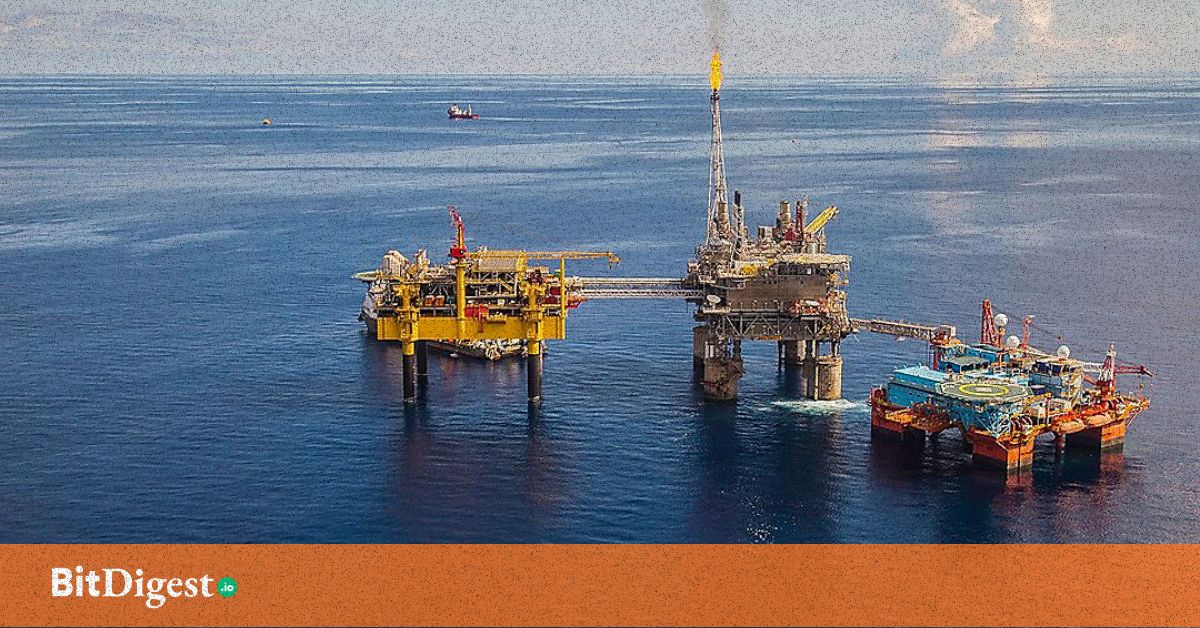
The exemption centers on production from the Malampaya Deep Water Gas-to-Power Project, the country’s primary indigenous natural gas source. Malampaya has historically supplied around 35–40% of Luzon’s electricity needs and remains significantly cheaper than imported alternatives. Power generated from local gas costs roughly ₱4.80 per kilowatt-hour, compared to about ₱10.30 per kWh for imported LNG-based generation. Extending and maximizing this resource is seen as critical to maintaining affordable and reliable power.
Expected Impact on Consumers and Industry
The VAT exemption is expected to translate into lower electricity bills for households and businesses, particularly those connected to gas-fired power plants. At the same time, it creates stronger incentives for energy companies to prioritize local gas over imported fuels. This supports broader national goals: improving energy security, reducing exposure to global price shocks, and encouraging investment in domestic energy infrastructure.
A Strategic Energy Shift
Beyond immediate relief, the policy signals a longer-term shift in the Philippines’ energy strategy. Natural gas is being positioned as a “bridge fuel,” cleaner than coal and oil, yet more stable and scalable than intermittent renewables. By aligning fiscal incentives with this strategy, the government is attempting to balance affordability, sustainability, and security in an increasingly uncertain global energy environment.
As implementation begins in April, the real test will be how effectively these savings reach consumers, and how quickly the country can expand its domestic gas capabilities to sustain the benefit.
.svg) SHARE TO FACEBOOK
SHARE TO FACEBOOK SHARE TO TWITTER/X
 SHARE TO LINKEDIN
 SEND TO MAIL



.svg)


.svg)